Chèvres encore

October 9 – 10, 2013

After a lovely 3 weeks in the UK, it was time to head back to France. We took a quick flight to La Rochelle, rented a car and drove back to the farm. We needed to pick up our bikes, return Alex’s suitcase and spend one more day on the farm. We had missed the work on the farm while we were gone.

It was great to see all the goats, some of them seemed to remember us. The ladies were immediately affectionate, whereas it took a week before we received that kind of attention when we first arrived. We were surprised to see a noticeable difference in the size of the babies. Isatis, our favorite little one, was no longer able to escape by squeezing through the slate of the fence.

Chandler and some friends

Chandler and some friends

We were able to spend a lot of time catching up with Alex and Mathilde, an intern, and we all worked together very well. It was nice that everyone knew the routine, so we could get the work done quickly and focus on having fun with the goats.

Leisure afternoon

Leisure afternoon

I also had the opportunity to watch the “marriage” of several ladies with two of the billies. At one point, Alex had explained the mating rituals of goats to Chandler and I, but the act sounded strange enough that I needed to see it for myself. To attract the females, a male will urinate on himself, slap the female’s belly with his hoof while simultaneously tickling her ear with his tongue. Not the most romantic courtship, but it worked.

Gangster, the lucky groom

Gangster, the lucky groom

We also made sure to eat enough cheese to last us a long time. Alex makes the BEST organic goat cheese! I would highly recommend that if you are in her area, check out her farm, La Ferme des Croq’Épines, and get some of her cheese.

Being on the farm was a great choice and a highlight of the trip.

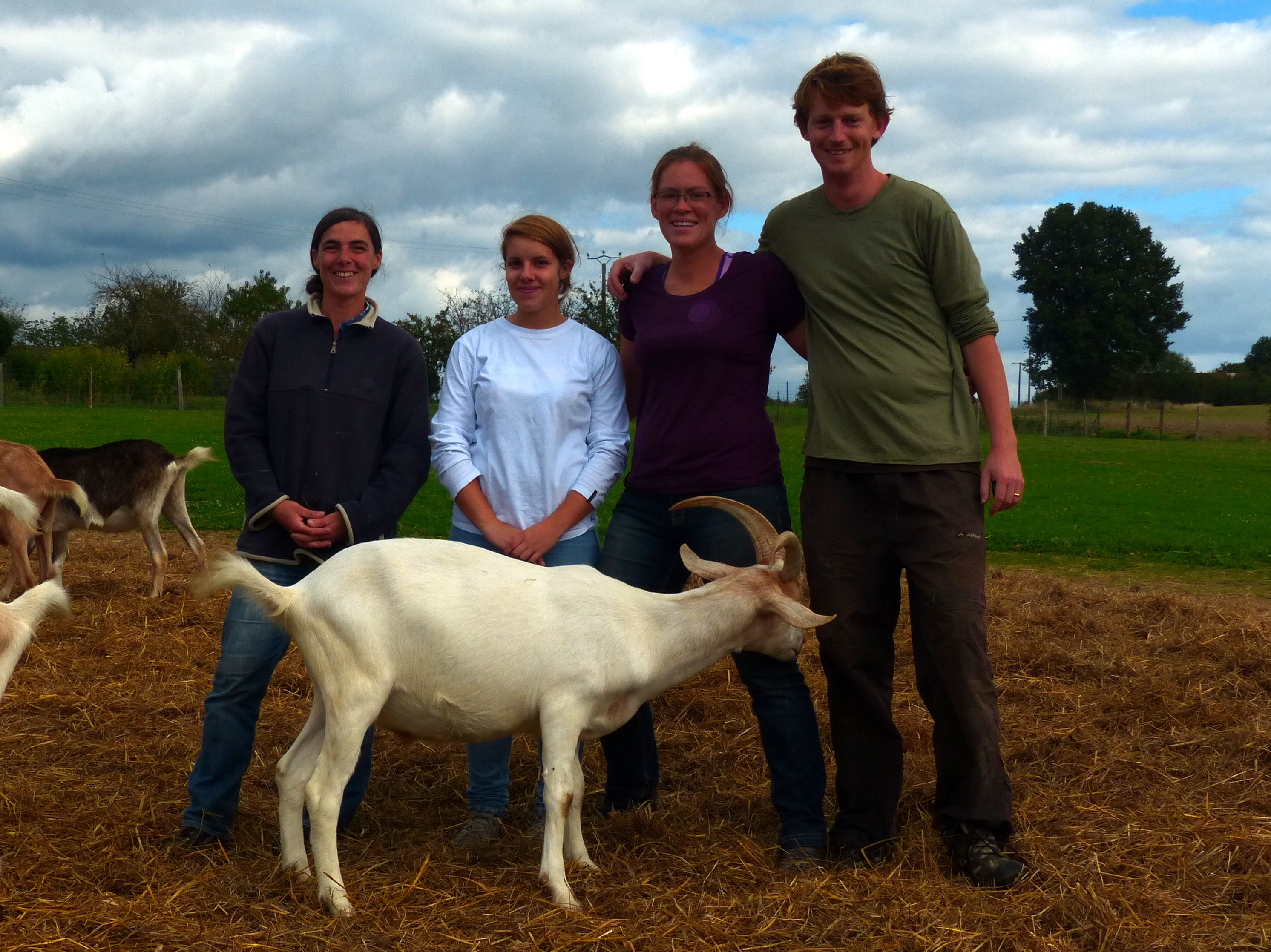
Alex, Matilda, Me and Chandler

Alex, Mathilde, Me and Chandler

Prime time in London

October 6 – 8, 2013

We only had a few days left in England so we spent one day with my niece and nephew and the other day going to the Prime Meridian.

Again, we arrived just on time to help out Alyssa and Martin with a nanny emergency. As usual, we had a great time with the kids. Sorry, the photos were taken on the tablet, so not the best quality.

Luc the mouse

Luc the mouse

Lea looking too cute

Lea looking too cute

Lea likes her Uncle

Lea likes her Uncle

On our pirate ship

On our pirate ship

That night, Alyssa and I went out to dinner and a movie for some sister bonding. Chandler and Martin spent the evening with the kids and Martin gave Chandler a cooking lesson. The menu was grouse!

Meal fit for a king

Meal fit for a king

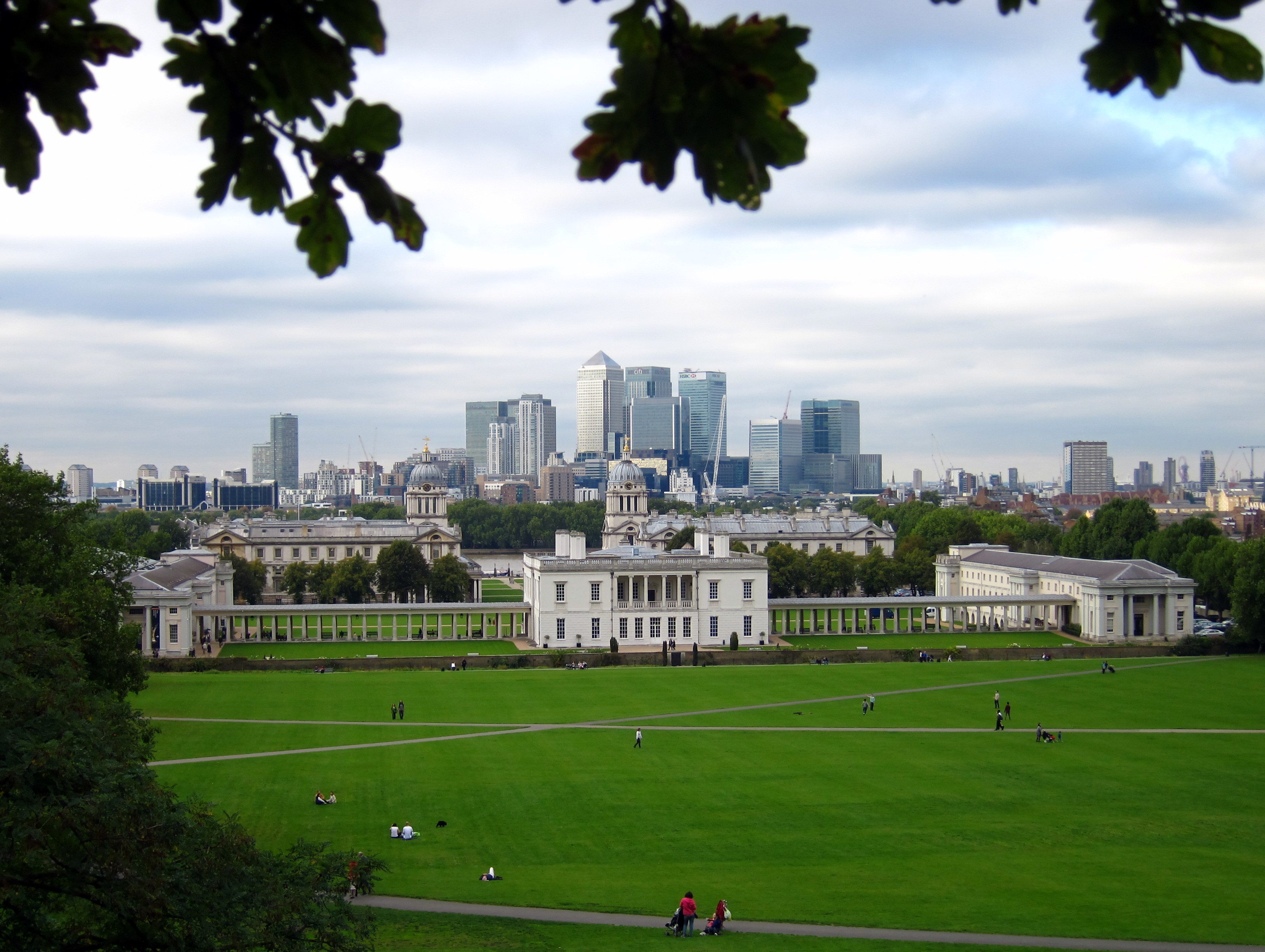
While in London, it was my goal to see the Prime Meridian and we were able to finally make that dream come true the day before we headed back to France. However, first we spent some time at the National Maritime Museum.

National Maritime Museum

National Maritime Museum

The museum had a lot of interesting displays of model ships, ancient navigation instruments and a history of the British navy and East India Company. The museum did kind of gloss over the American Revolutionary War, which we found interesting.

Model ships

Model ships

Astrolabe

Astrolabe

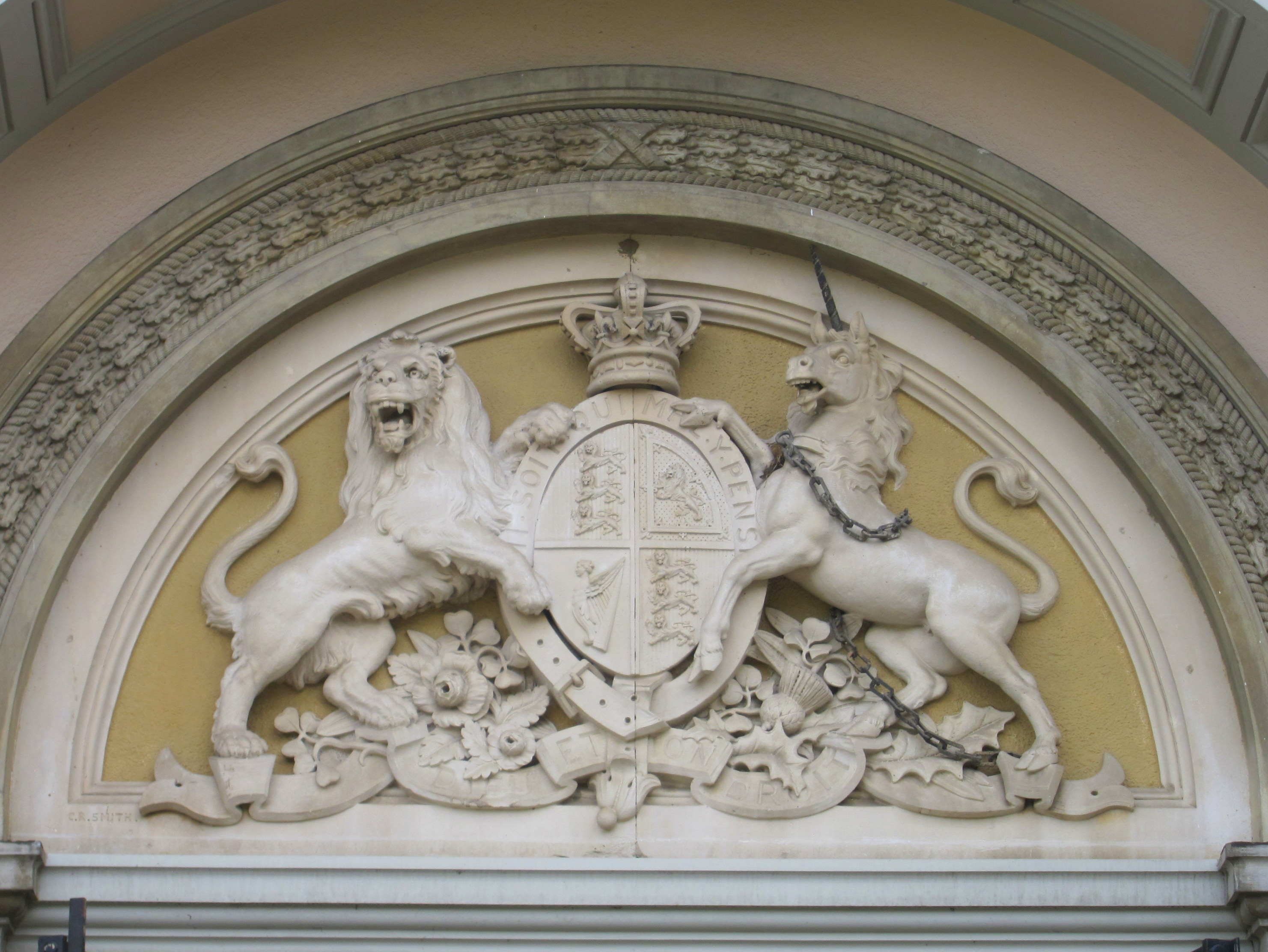
Lions and Unicorns

Lions and Unicorns

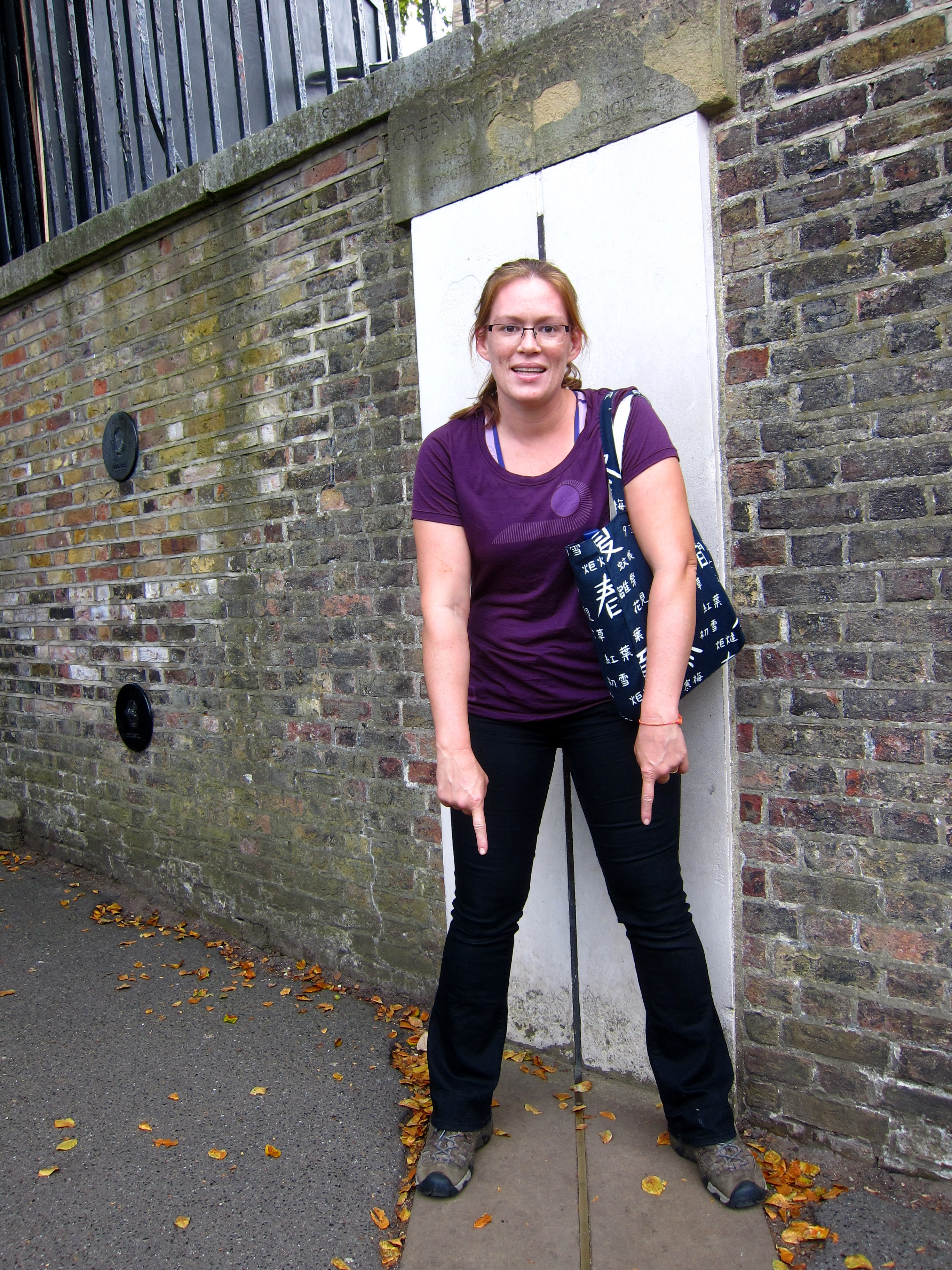
After a few hours of wandering around the museum, it was time for what we came to see. We headed around the back of the building, climbed a big hill and stood on the Eastern hemisphere and the Western hemisphere AT THE SAME TIME!! As usual, we were too cheap to pay to stand on the fancy line and made do the less exciting line in the side of a wall.

Prime Meridian

Prime Meridian

Stone circles

October 4 – 5, 2013

After our day of distilleries, we didn’t know what else to do. Chandler had read about a stone circle that was more accessible than Stonehenge, so we figured we would head in that direction.

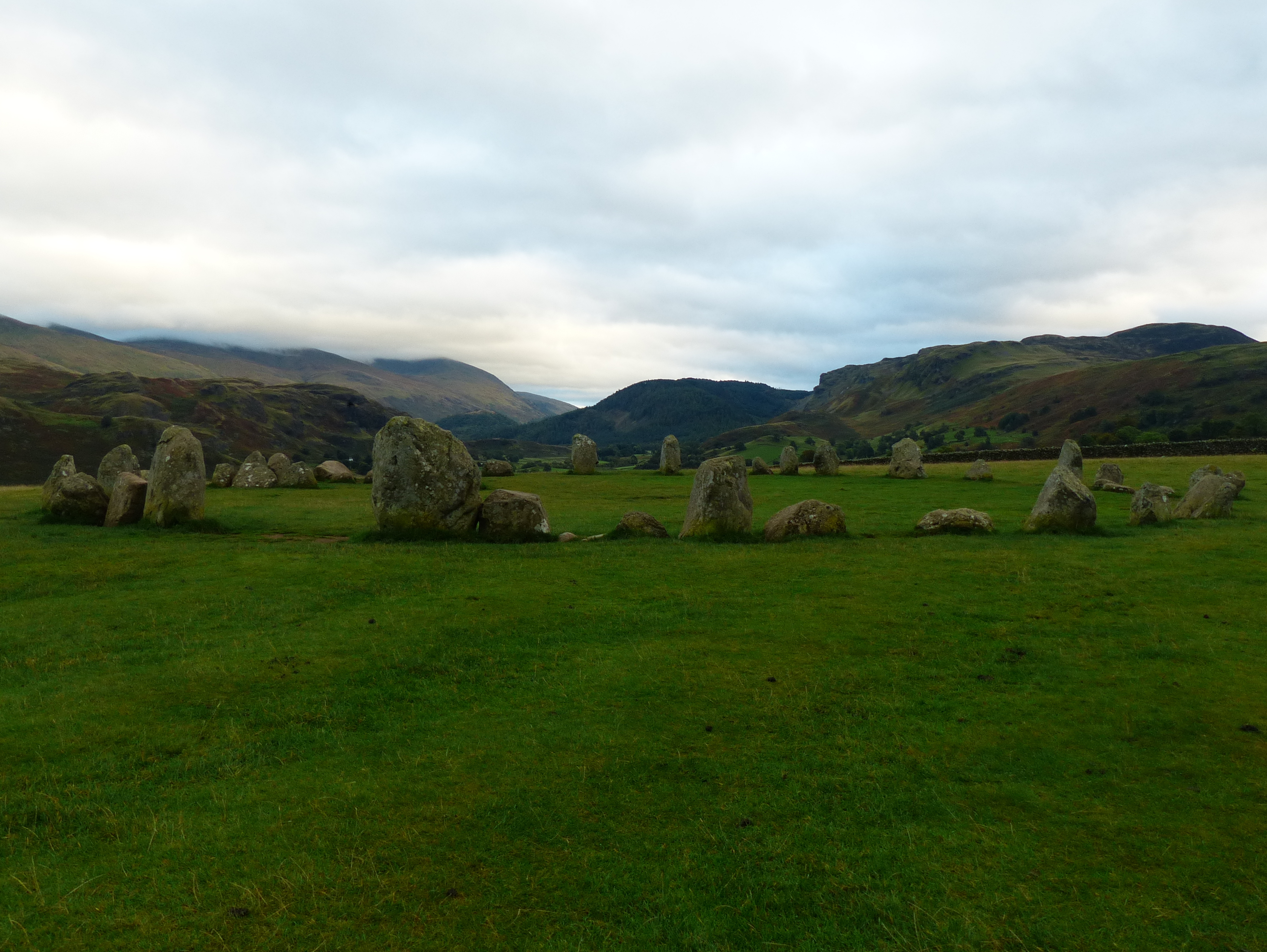
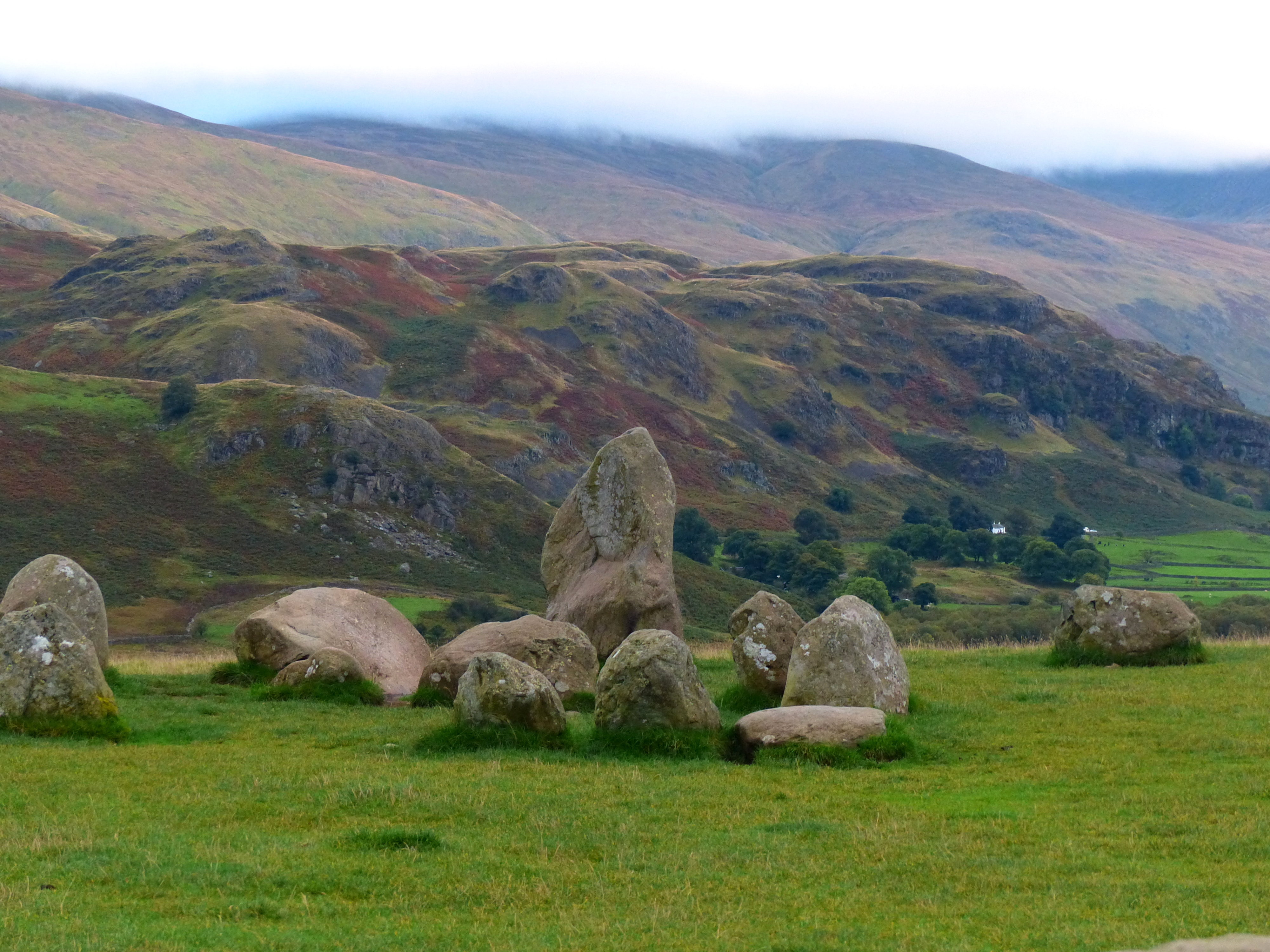
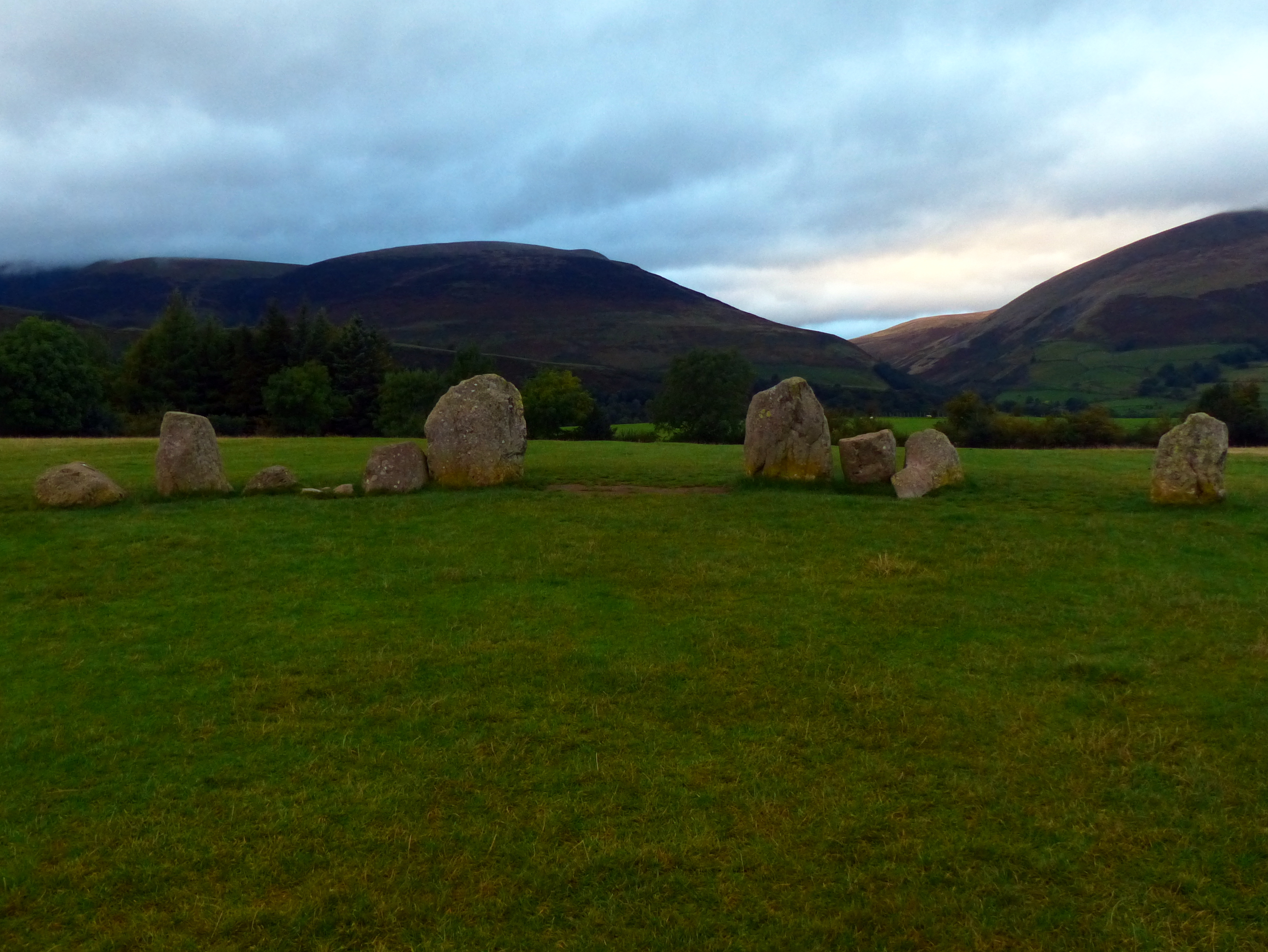
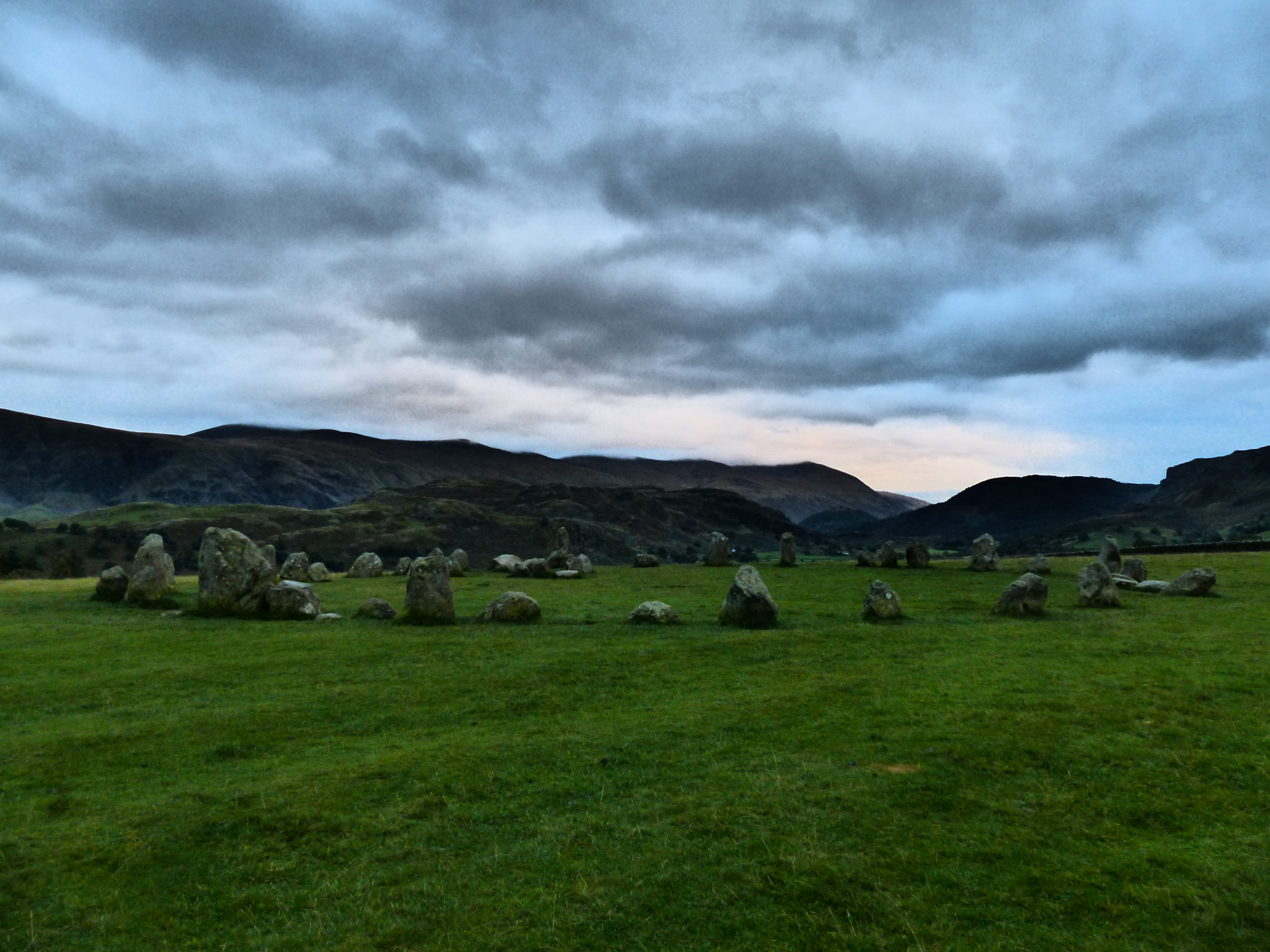
We ended up driving all day through Scotland and back into England to get to Castlerigg. This stone circle was probably constructed around 3200BC which makes it one of the earliest stone circles in Britain. Castlerigg consists of one large circle made with large stones and a smaller inner circle made up of smaller stones. None of the 40 odd stones were taller than Chandler.

Castlerigg

Castlerigg

The inner circle

The inner circle

The entrance

The entrance

The location of the circle was incredibly beautiful and we took a lot of photos. We had a fun time running around the stones, in and out of the circle. We couldn’t believe our luck, because we were the only people around.

Fun with filters

Fun with filters

The next day we started headed back towards London. We originally weren’t going to go out of our way to Stonehenge, but after the one stone circle, we had to see the famous one. Again, we drove most of the day after a leisurely breakfast.

View from the road

View from the road

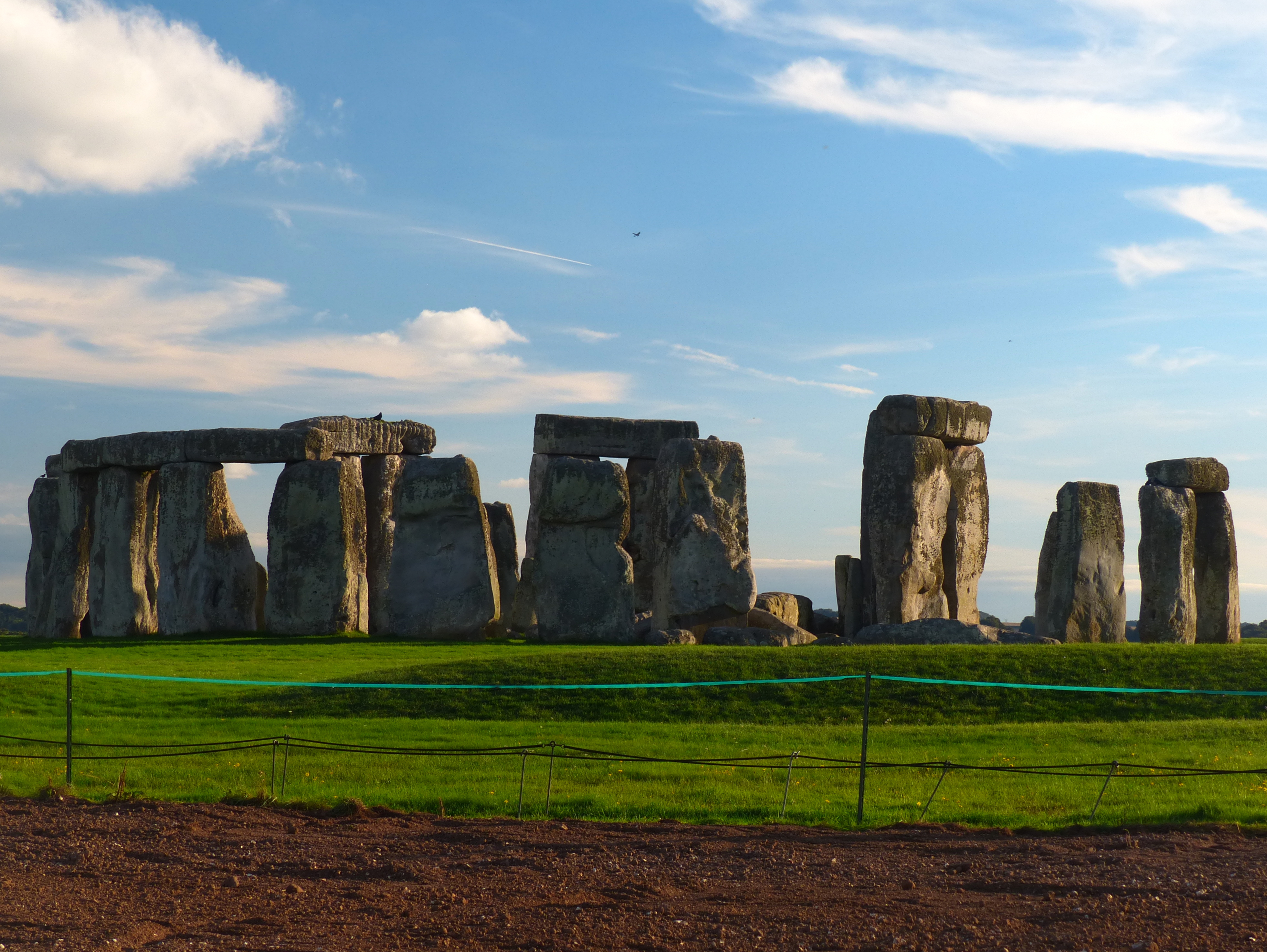
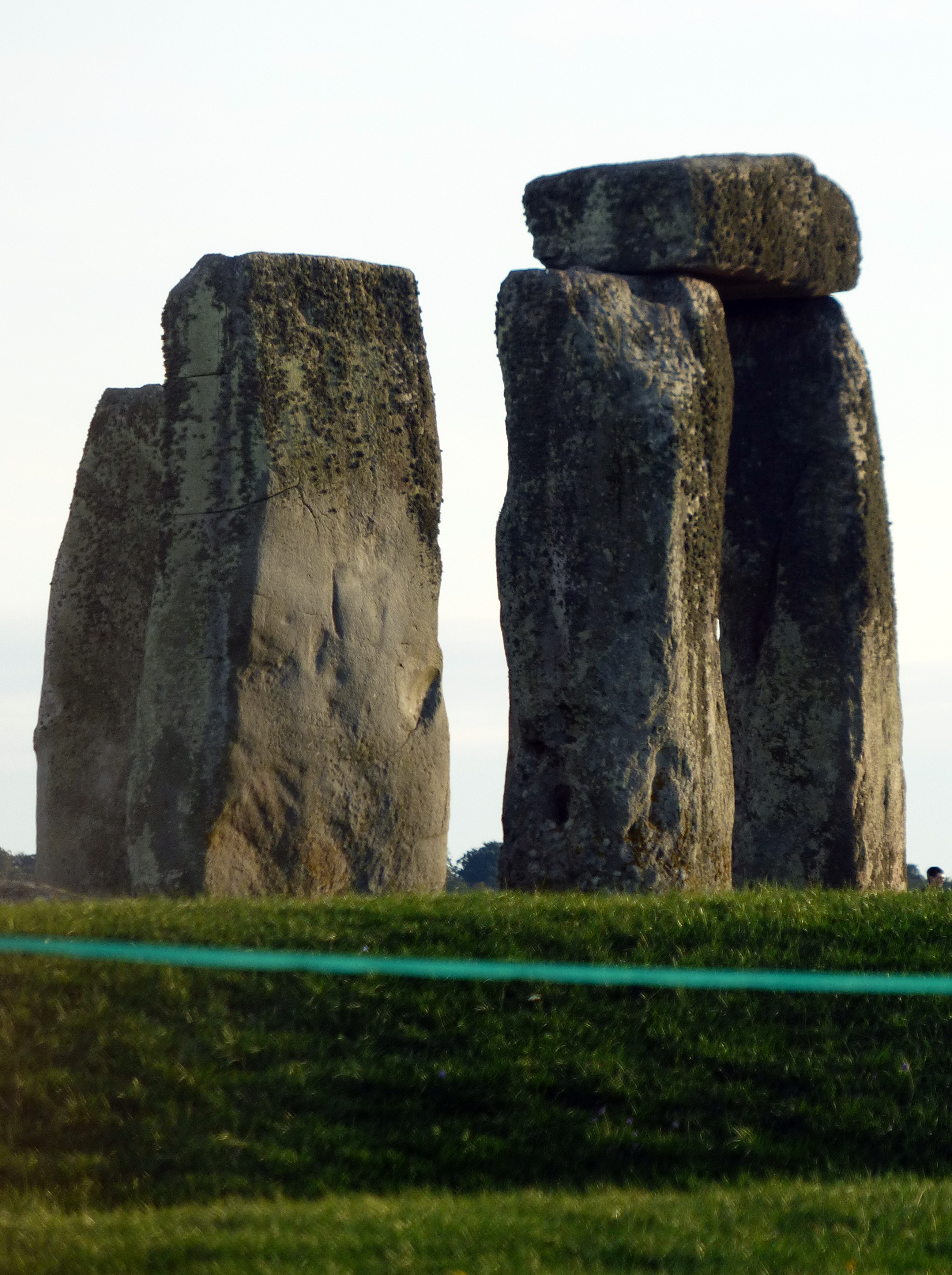
Stonehenge is visible from the highway and we knew we had made the right choice. The entrance fee was £8 per person just to walk around other monument at a distance of about 30 feet. We opted to not pay the fee and just admire the view from behind a fence. We managed to get a few good pictures.

Stonehenge

Stonehenge

Chandler, the fence and the view

Chandler, the fence and the view

Stonehenge

Stonehenge

Up close

Up close

Sunset

Sunset

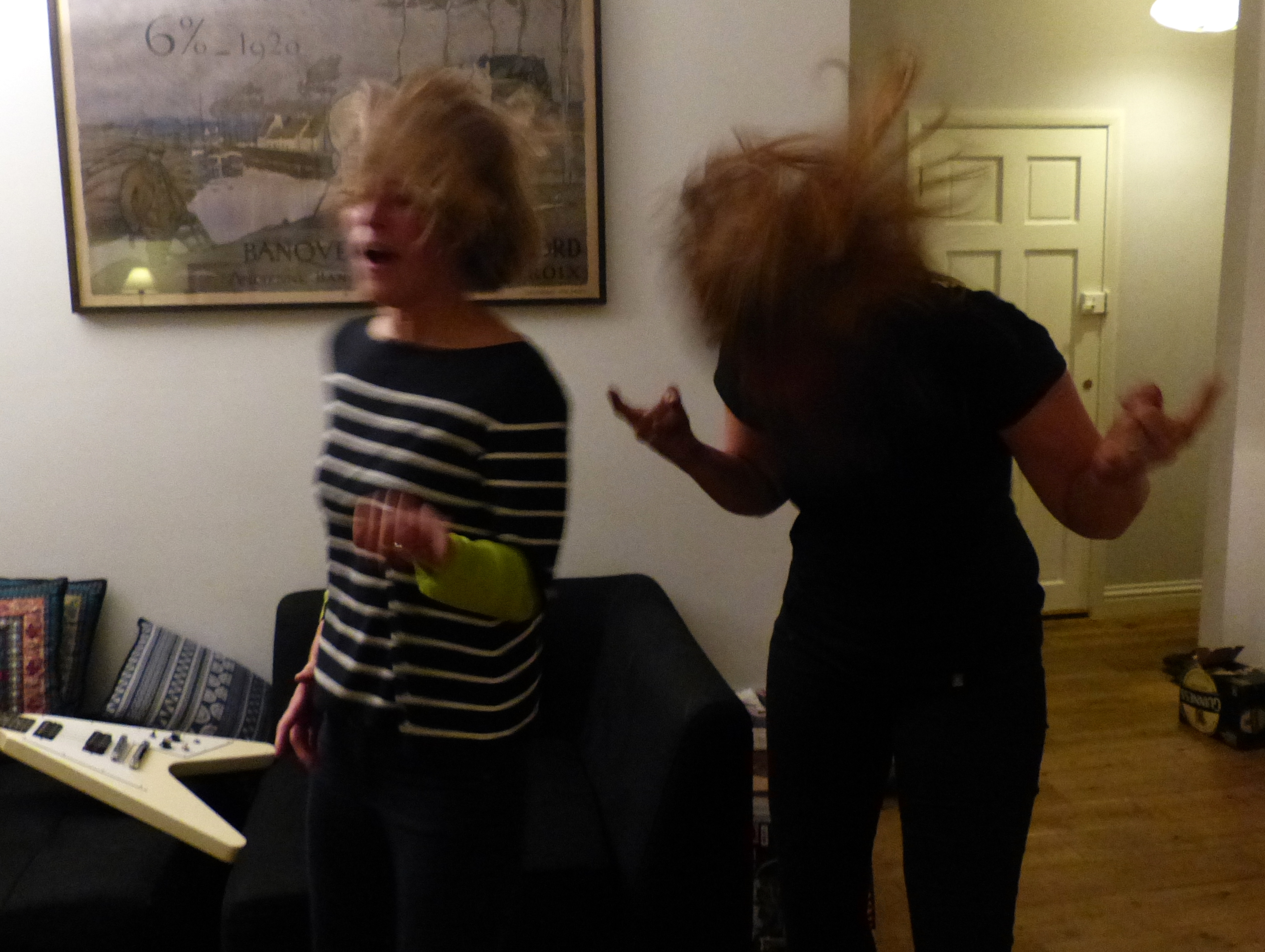
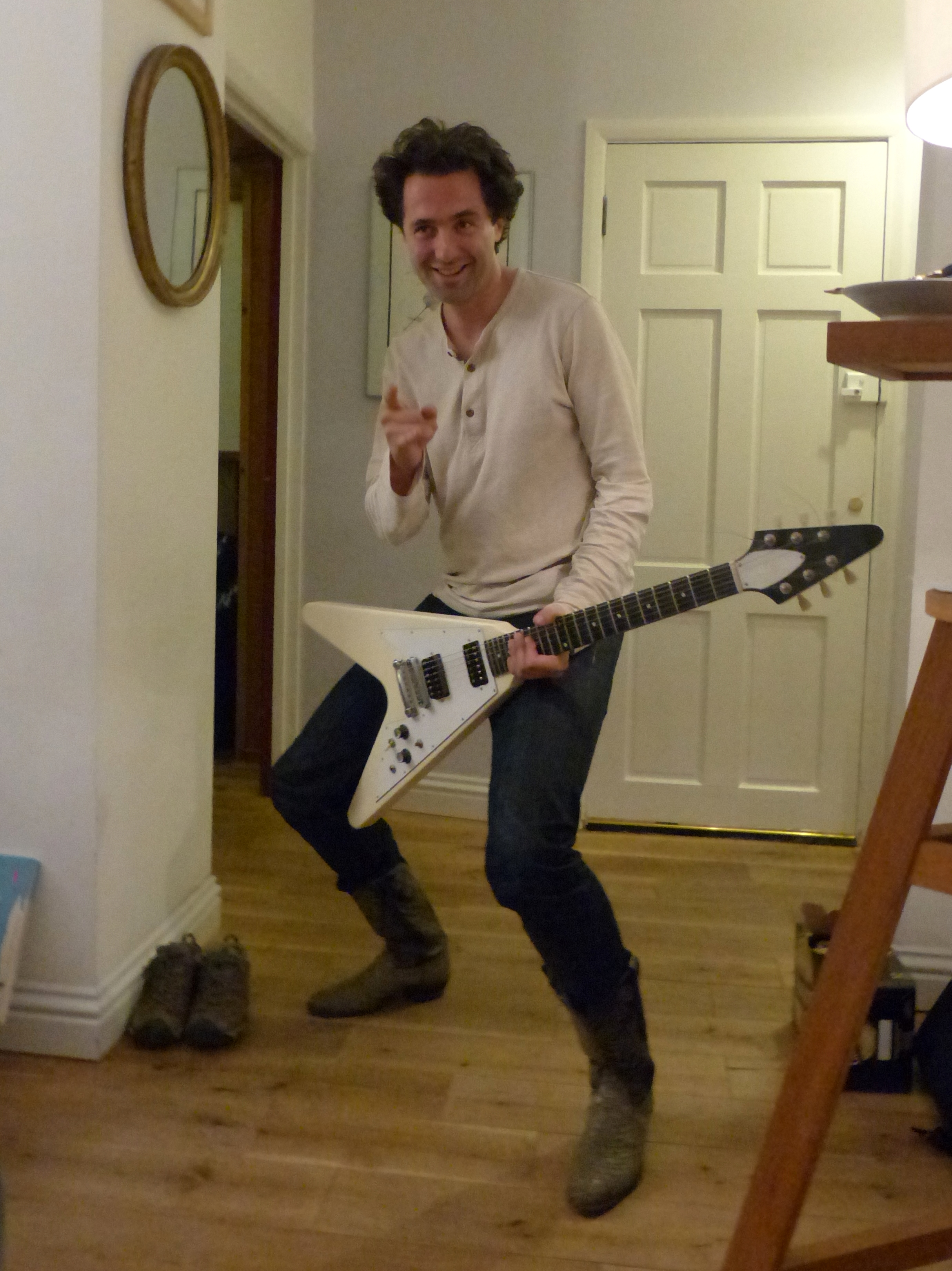
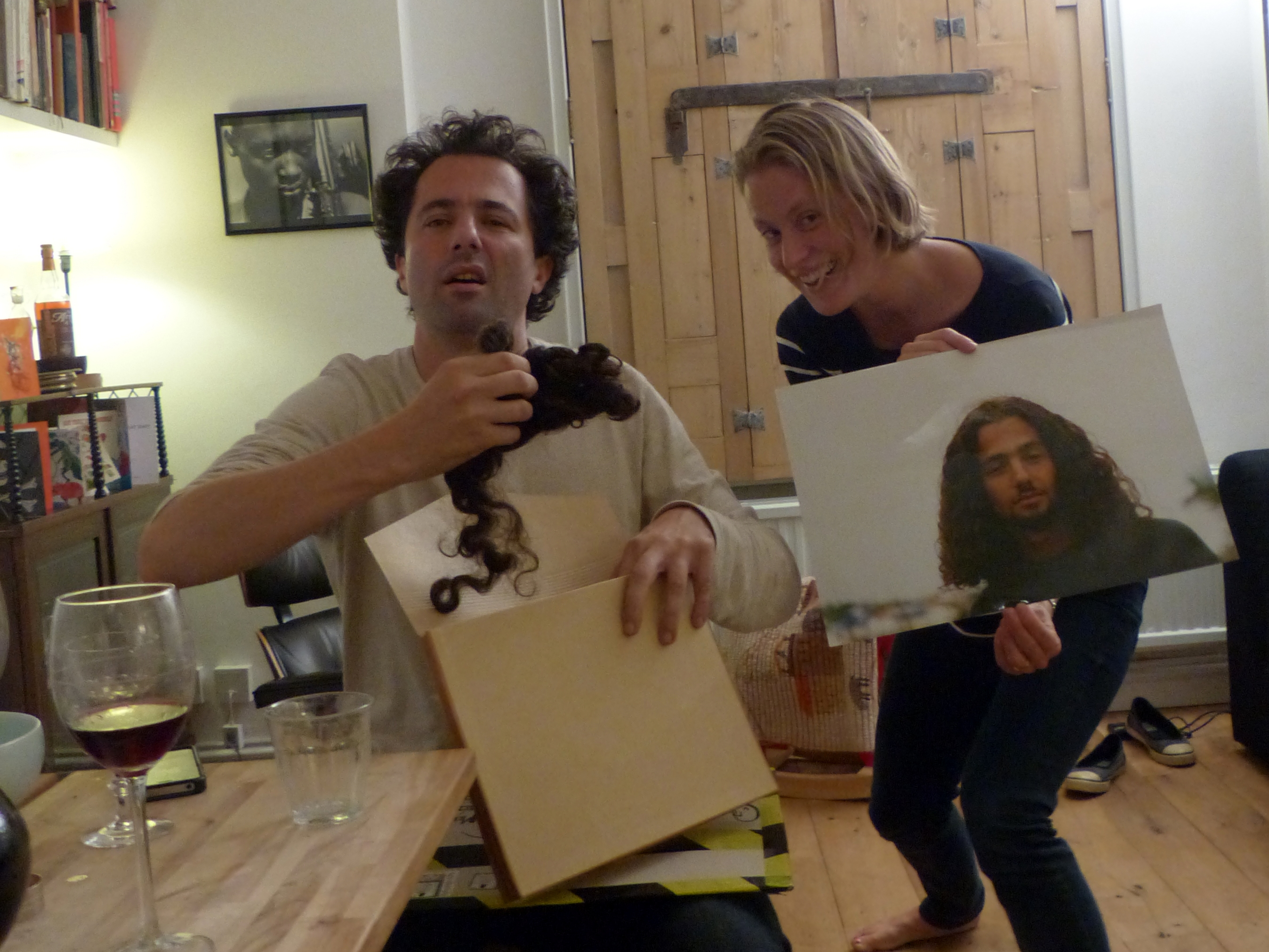
We had trouble finding a campground, so we headed back to London. It was a good idea too, because Martin treated us to a memorable night of head banging, snakeskin boots and hair!

Head banging

Head banging

Martin

Martin

Martin and his hair

Martin and his hair

Whisky distilleries

October 3, 2013

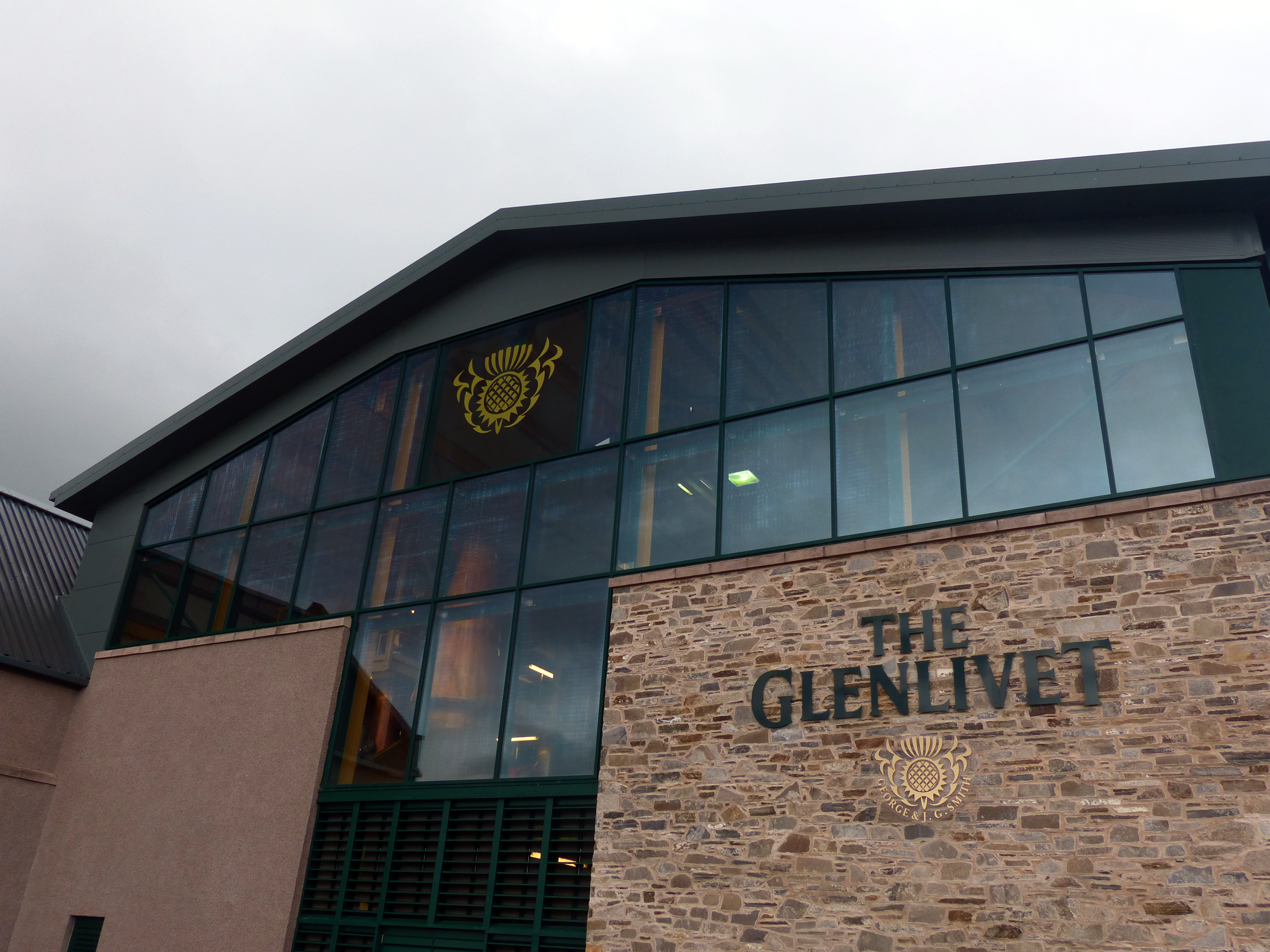
We woke up to a lot of rain and figured it was a perfect day to visit some distilleries. Chandler and I used to brew beer back home, but we had no idea how whisky was made. My bosses in Anchorage are big fans of scotch and made sure their employees learned to appreciate the beverage! There are tons of distilleries in Scotland, and we were a little intimidated by the options and the apparent fanaticism of Scotch aficionados. So, we headed to the closest place on our map that sounded familiar, the Glenlivet Distillery.
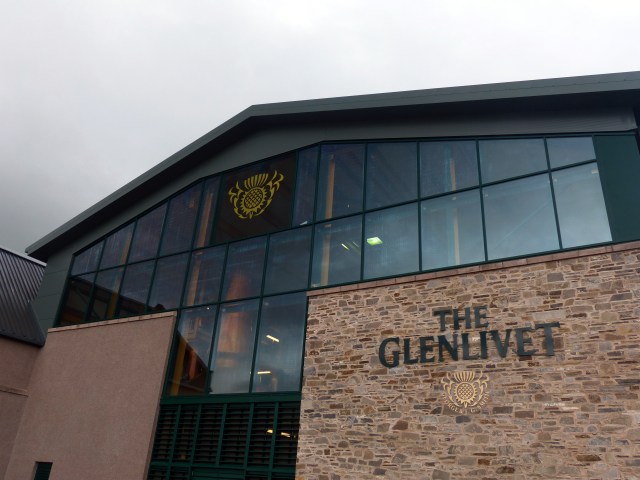
Glenlivet Distillery

Glenlivet Distillery

The distillery offered a free tour of the facility with a great overview of the whole process. Glenlivet means valley of the Livet, which is the local river. Things started out in a familiar way: the basic ingredients of Scotch are: water, barley and yeast, even more basic than beer. The barley is grown locally and then malted which is a process where the barley grains are moistened and allowed to germinate briefly before been dried in a kiln. According to the tour guide, nearly every distillery in Scotland has their barley malted by an industrial malting facility, as the traditional method involves spreading the grains out on a clean floor, which takes up a lot of space.

The peaty flavors sometimes found in Scotch are added by smoking the barley with burning peat. The Glenlivet distillery and most distilleries on the eastern side of Scotland do not use peat in their process, so their whiskys don’t have a smokey flavor at all (a shame we thought).

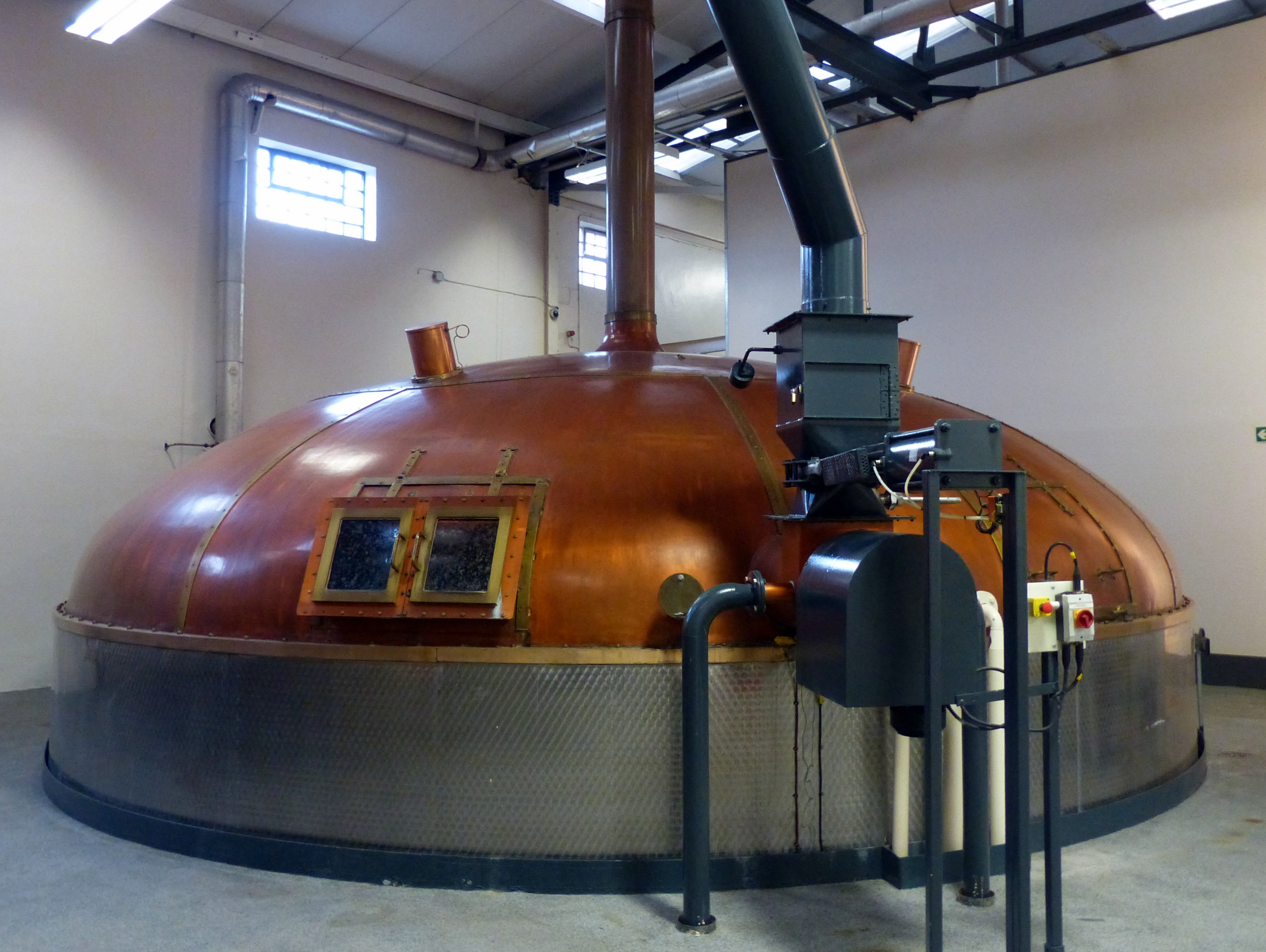
The malted barley and water are mashed (combined with heat) to create a wort, which is water full of dissolved sugars from the barley. Yeast is added after few hours it starts converting the sugars to alcohol and CO2 in the fermentation process.

The mash ton

The mash ton

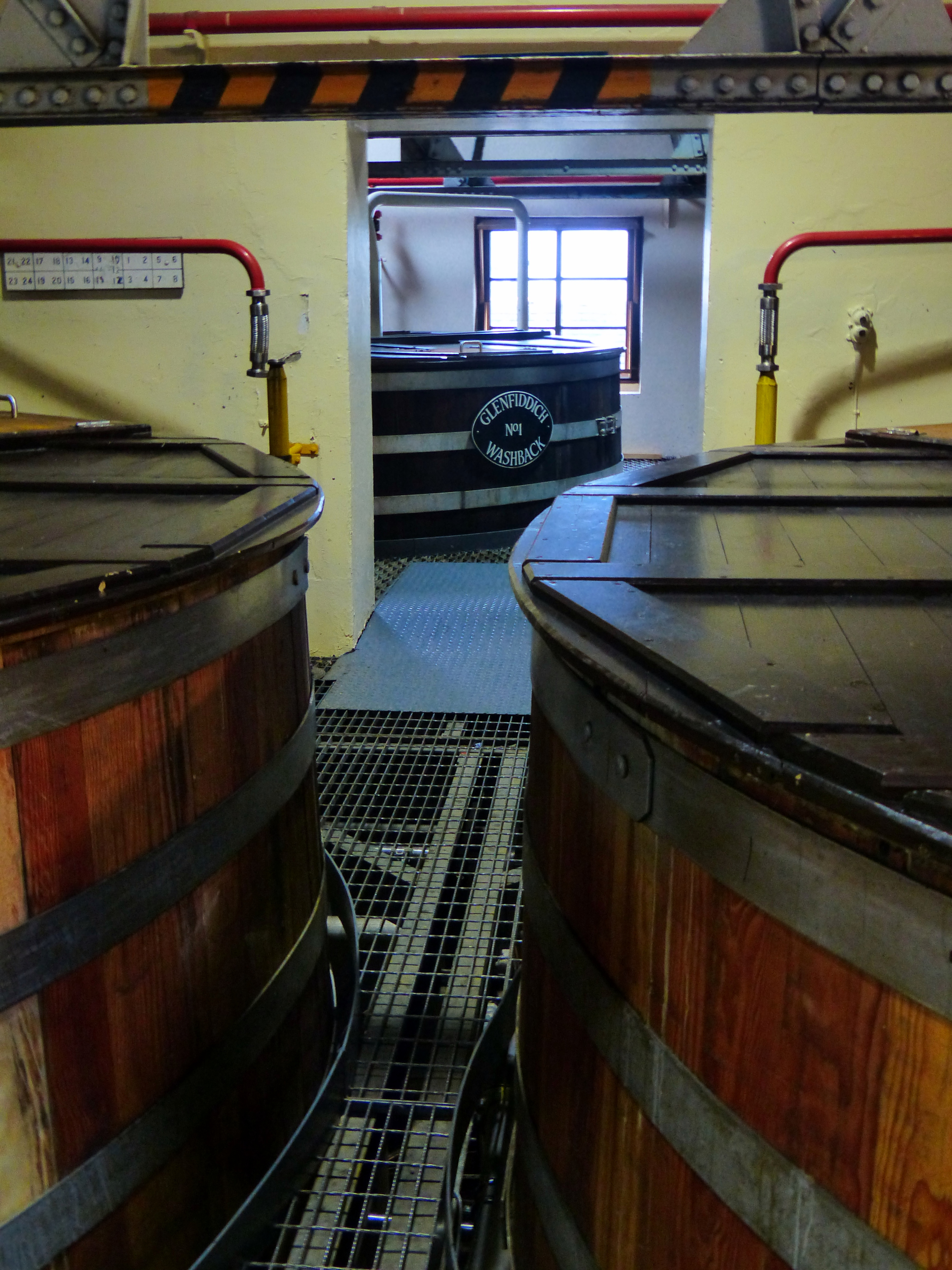
This is where things started to make a huge detour from beer brewing. The fermentation process is done in massive two story tall wooden fermenting vats called washbacks, which are basically roughly 5 meter tall pine barrels, made by local coopers. At the end of fermentation, the washbacks hold a very basic beer (no hops!) with an alcohol content of around 8%.
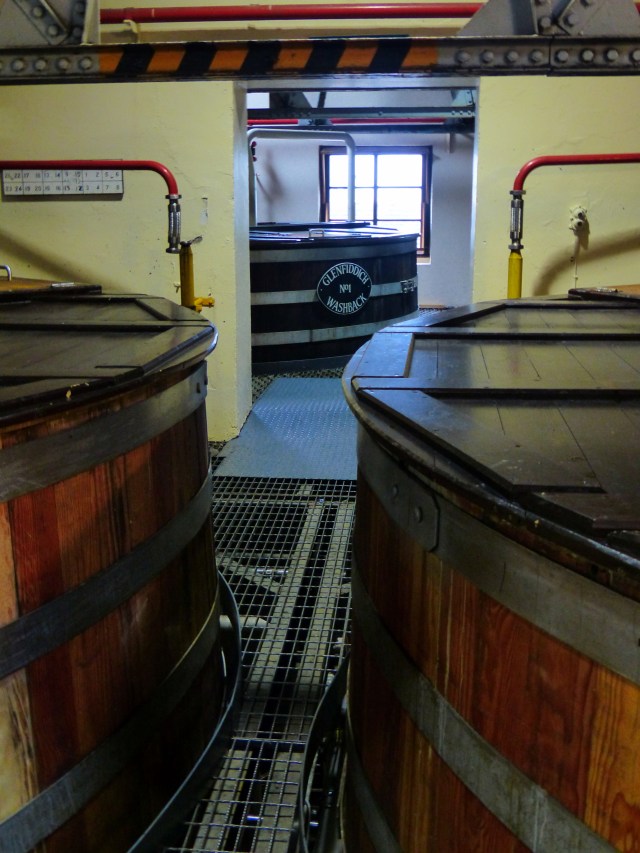
Washbacks

Washbacks

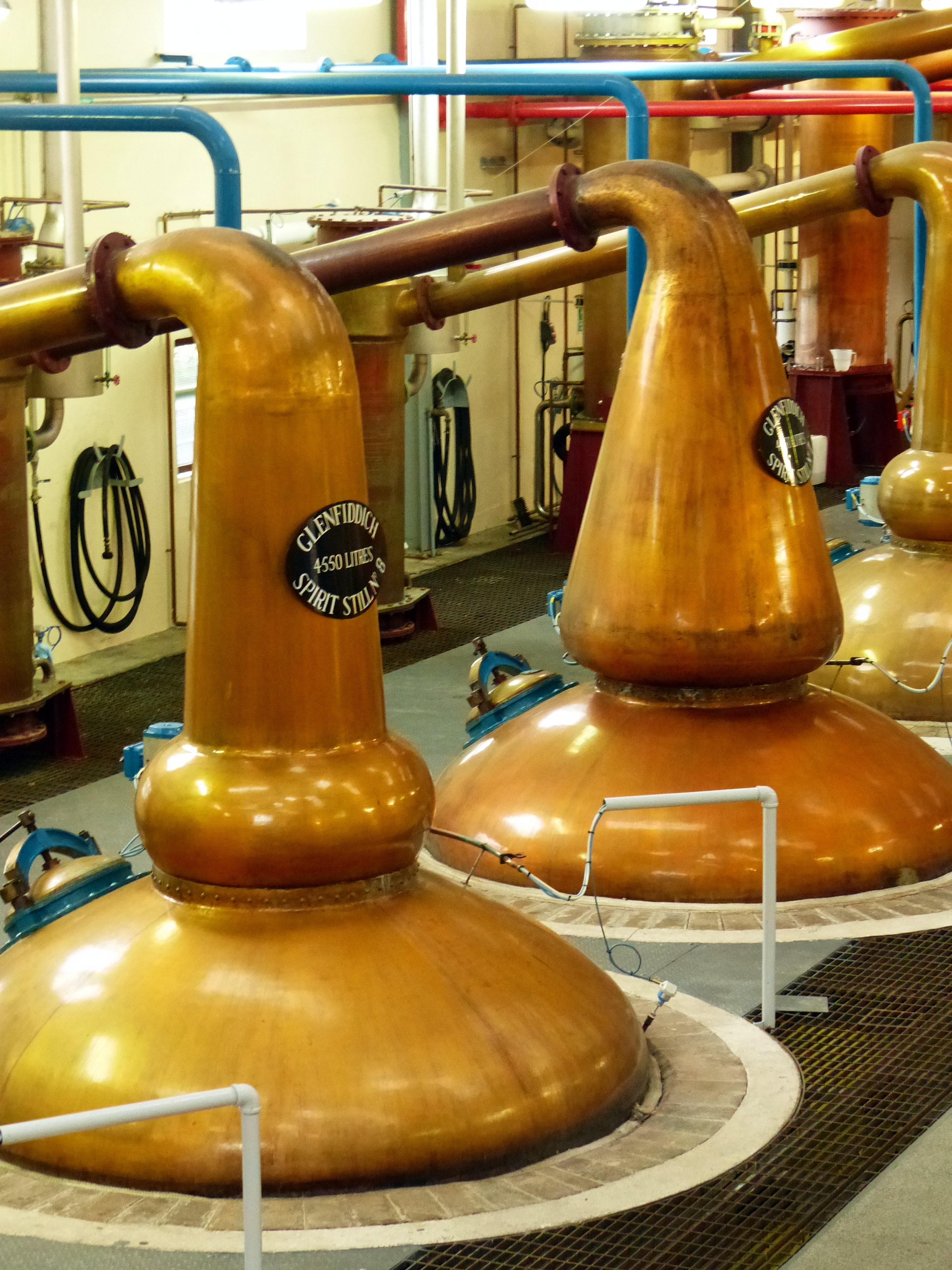
Next the beer is distilled. Distillation is the process of separating alcohol from water and occurs in large copper stills. The shape of the stills are unique to each distillery as it helps to influence the flavor of the final product. This takes place in two steps, first the beer in distilled to a spirit with an alcohol content of around 22%. The next process takes the distillate and refines it further again by distilling, but also segregating the product over time, which comes out strong at first (the head), then diminishing in strength (the heart) and further still (the tail) at the end of the process. The head and the tail are not thrown out, but rather cycled back into the next batch. The heart of the run is the end product of the distilling process, with an alcohol content in the high 60%’s or so.
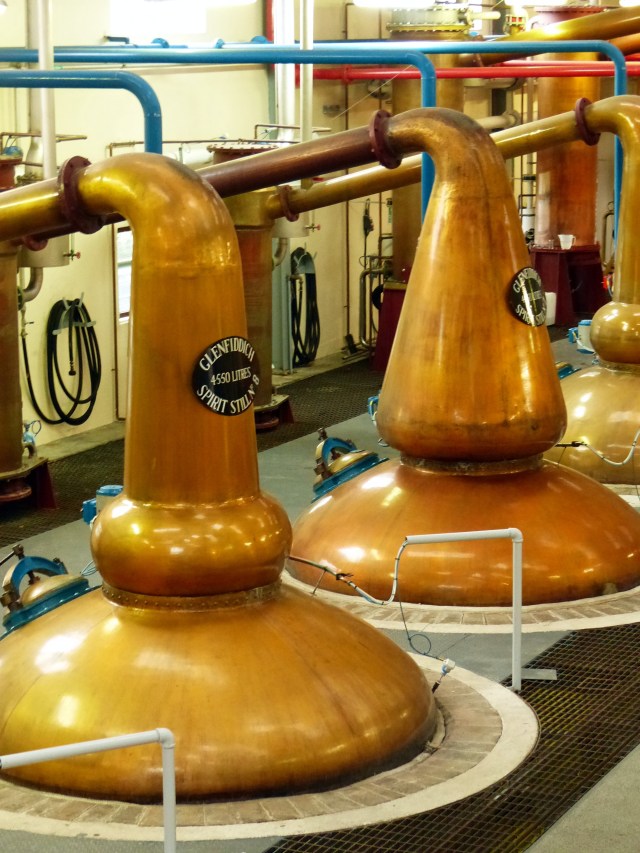
The stills

The stills

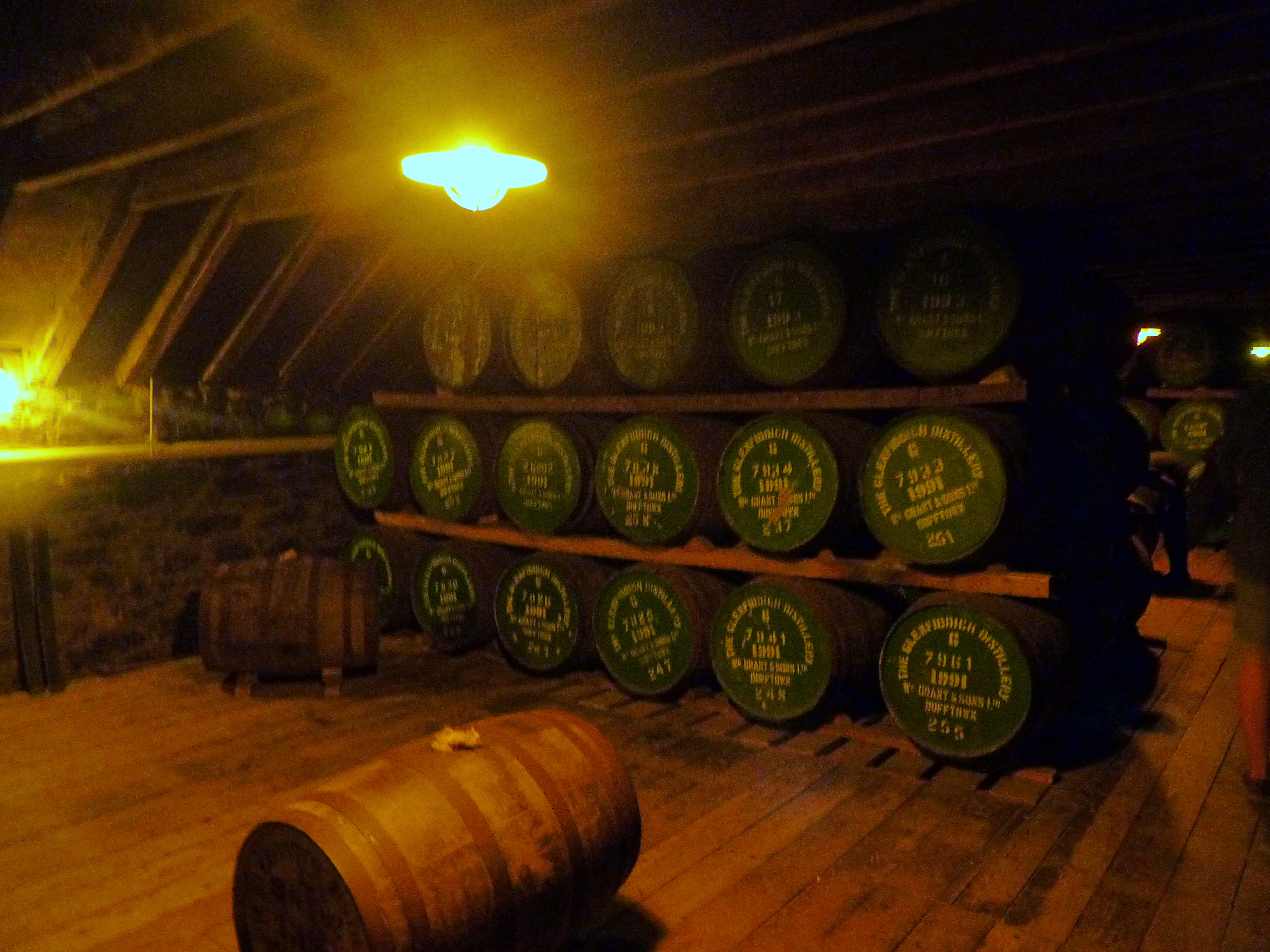
The last step is to age the whisky. Glenlivet ages their whisky for a minimum of 12 years in oak casks. The casks are recycled Bourbon kegs from Tennessee and Sherry barrels from Spain. These casks greatly influence the final taste of the scotch. It was interesting to learn how much whisky evaporates during the aging process. After 50 years of aging, only about 25% of the original cask volume remains, hence a big part of the reason older whisky costs to much.

Aging whisky

Aging whisky

Before it is bottled, the cask whisky is usually diluted to an alcohol content of around 40%, which is supposedly optimum for enjoying the balance of flavors and the punch of the alcohol.

Our tour ended with a taster. It is recommended to add on a few drops of water at a time while drinking good Scotch, never ice cubes or Coke. They had some cask-strength tasters, and it was pretty intense and not as enjoyable as the regular strength stuff.

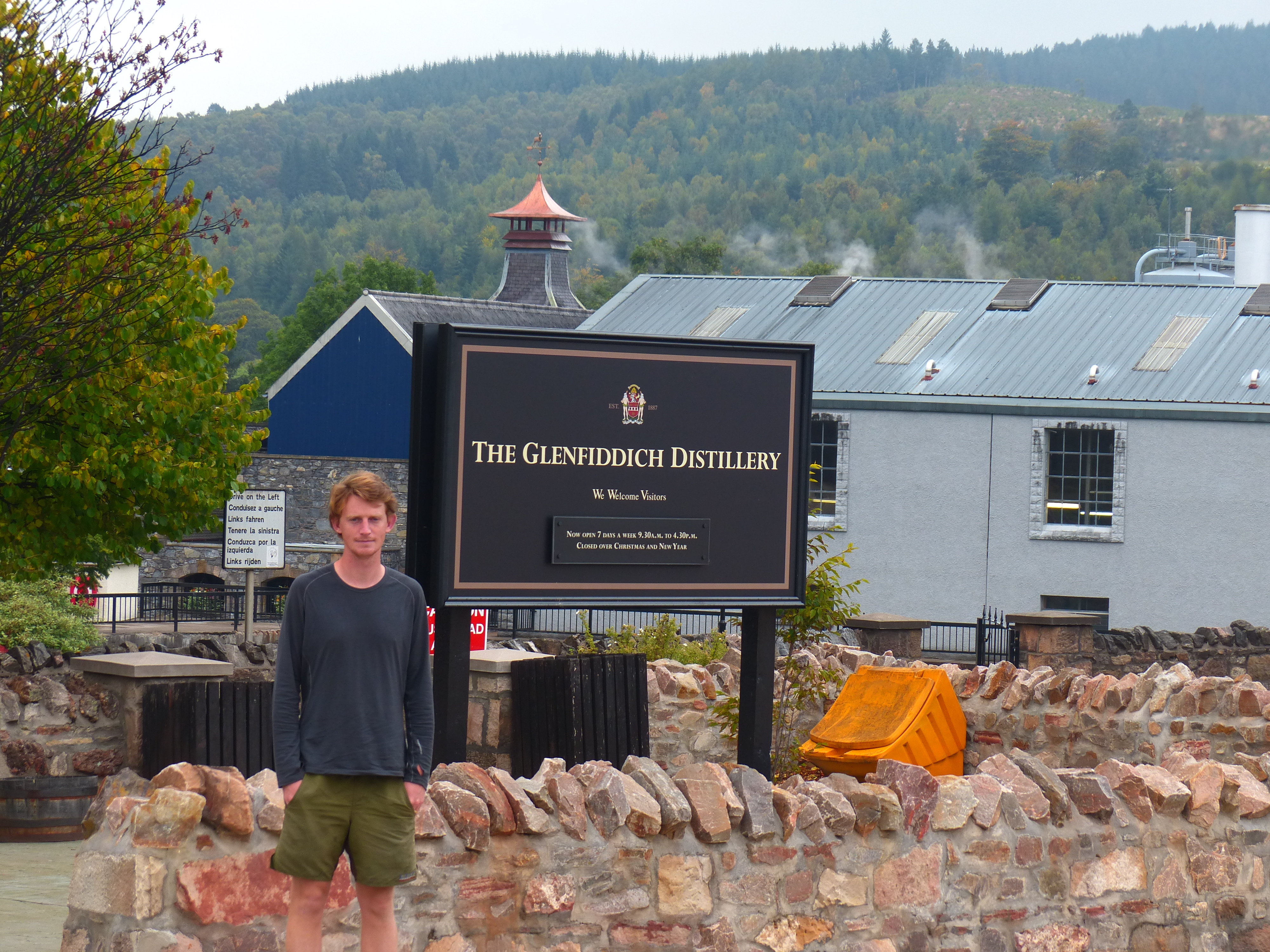
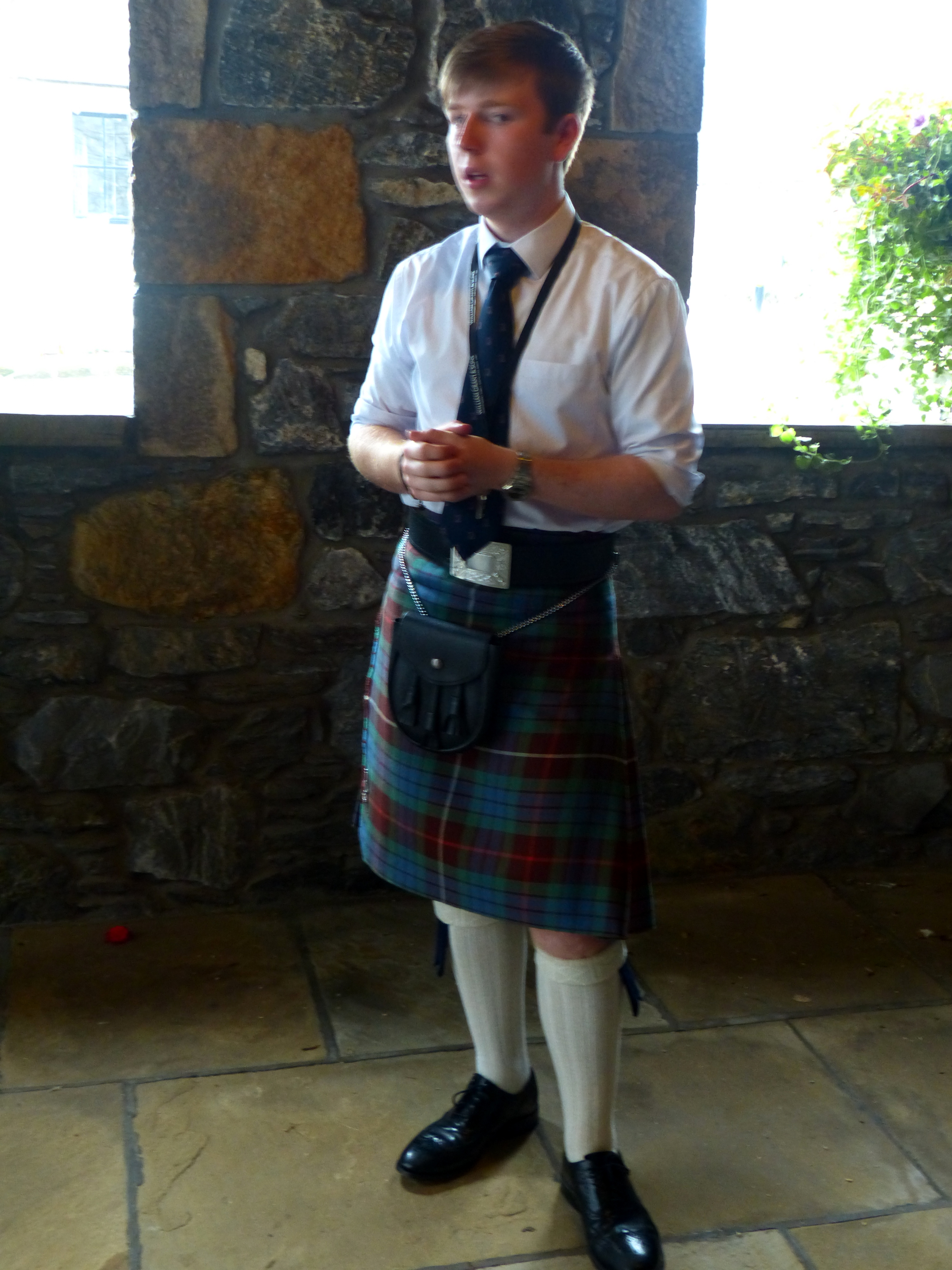
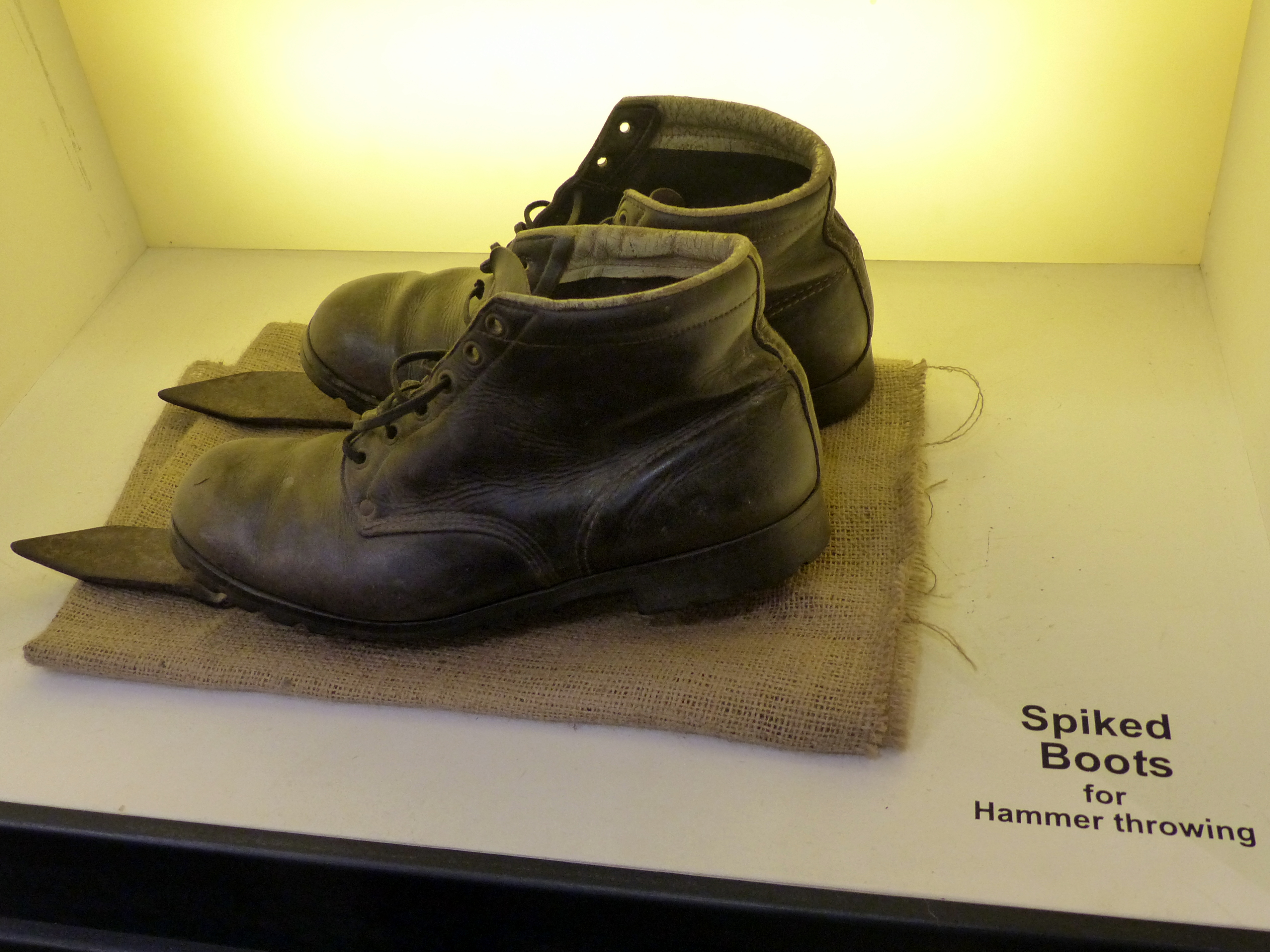
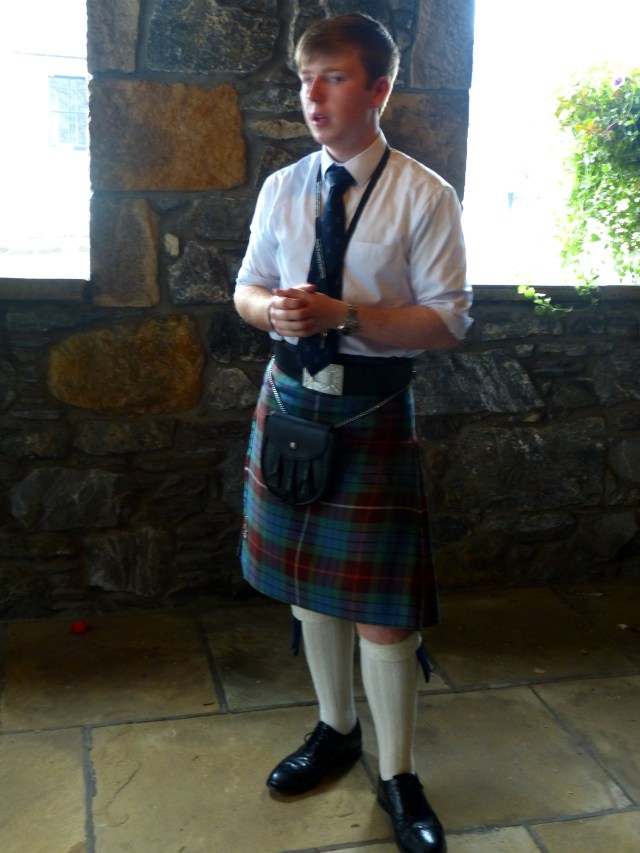
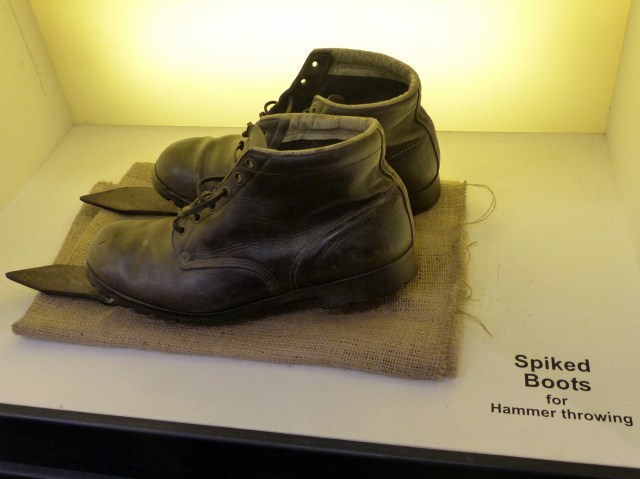
There were still several hours of daylight left, so we figured we had time to squeeze in another tour. The next place was Glenfiddich (valley of the deer). Our guide was wearing a kilt and we were allowed to take pictures, so the second tour was a great idea. The process was the same but the stills had a slightly different shape and the wood for the mash tons was from Canada and not Oregon. We also received a tasting at the end and entertained by a video of the Highland Games.
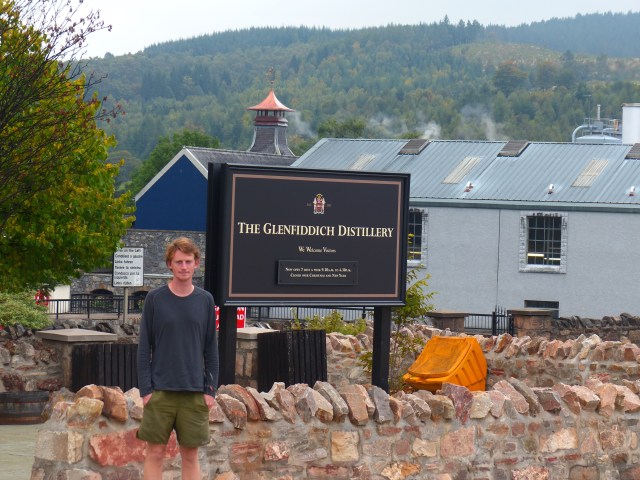
Chandler at Glenfiddich
Chandler at Glenfiddich

Our guide in a kilt
Our guide in a kilt

Highland Games boots

Highland Games boots

I wish we had realized that the Scotch in this area didn’t have any of the real peaty flavors we enjoyed, we would have made an effort to visit some distilleries on the west coast of Scotland.

Around Inverness

October 2, 2013

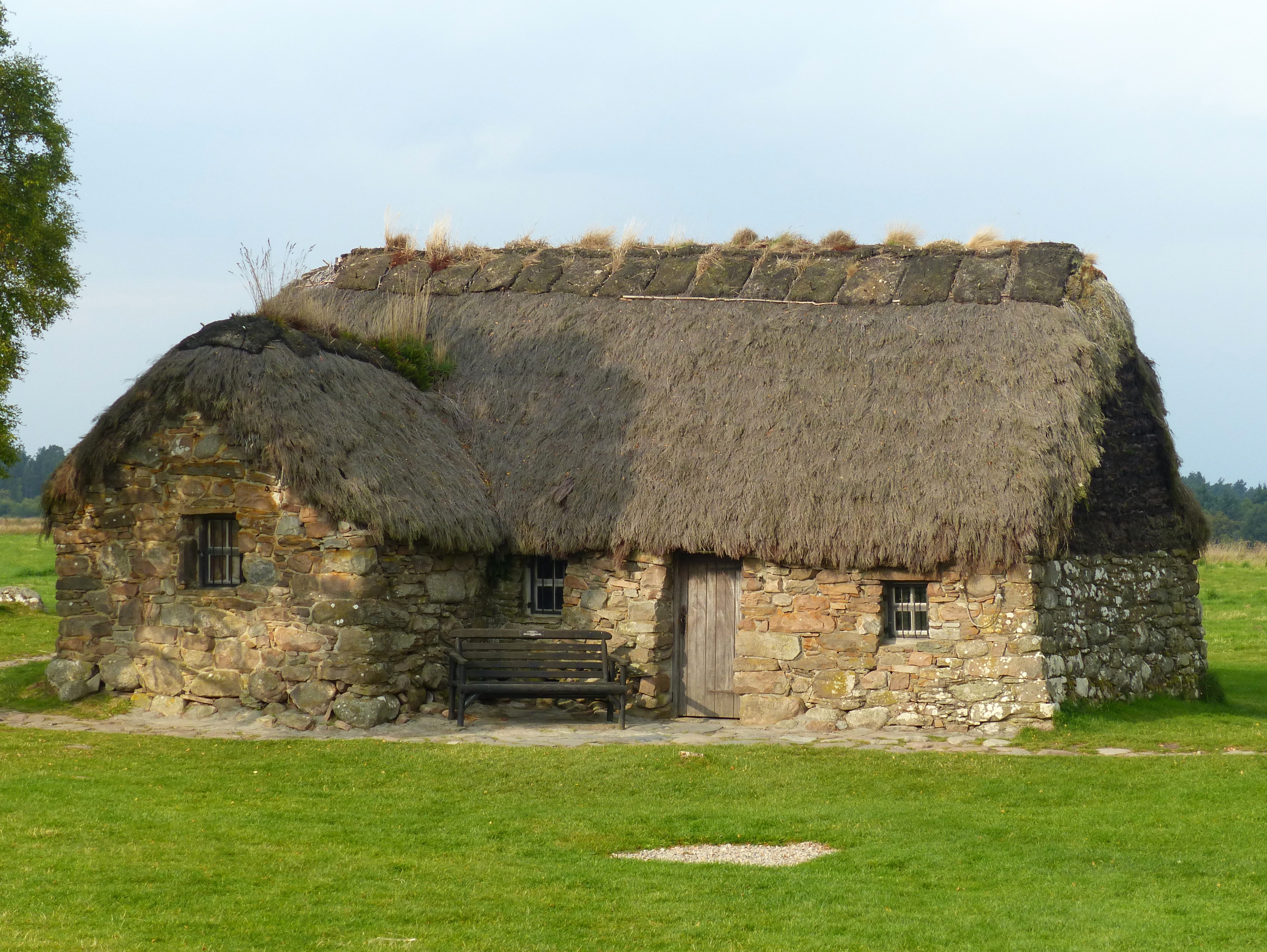
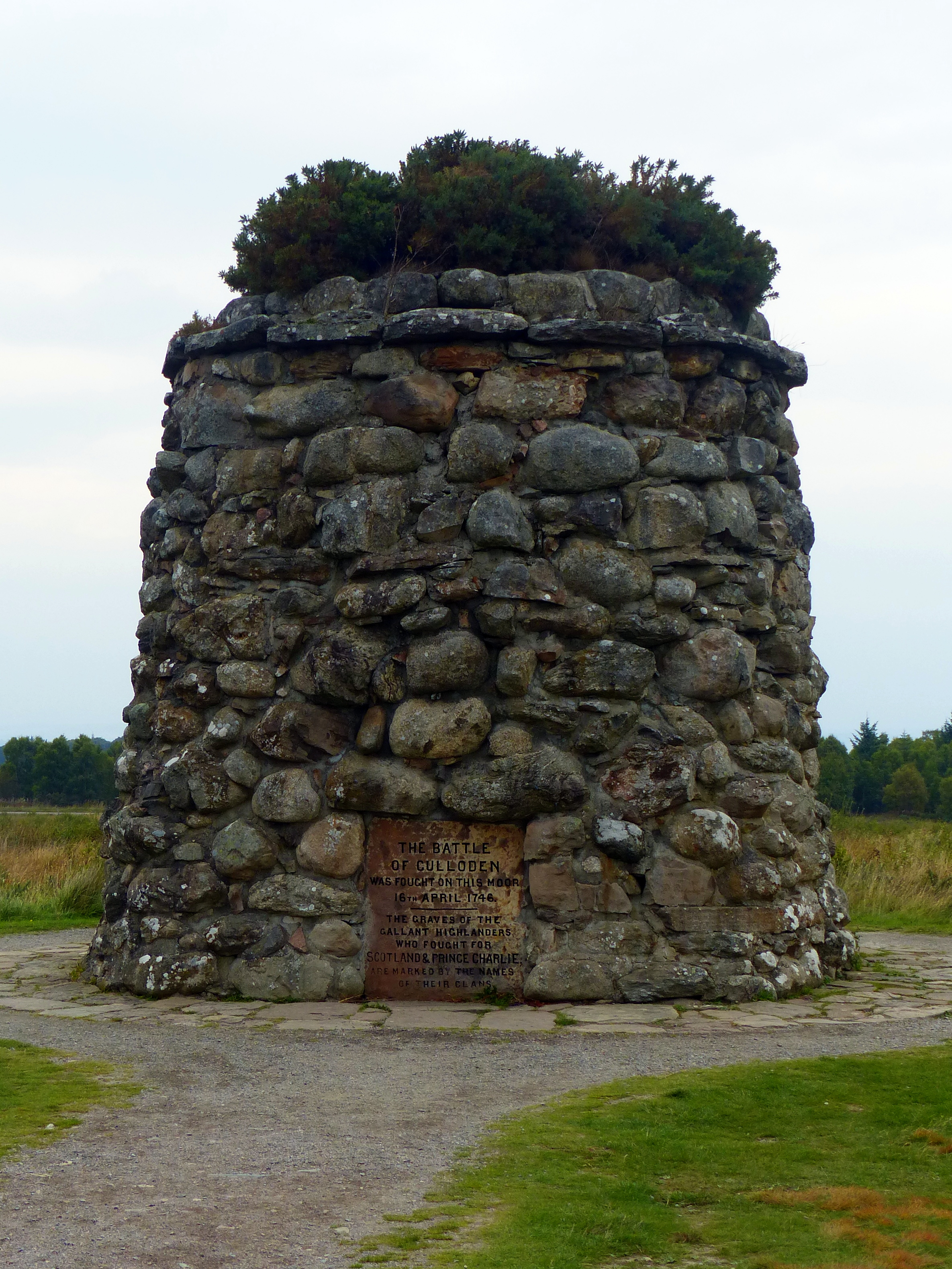
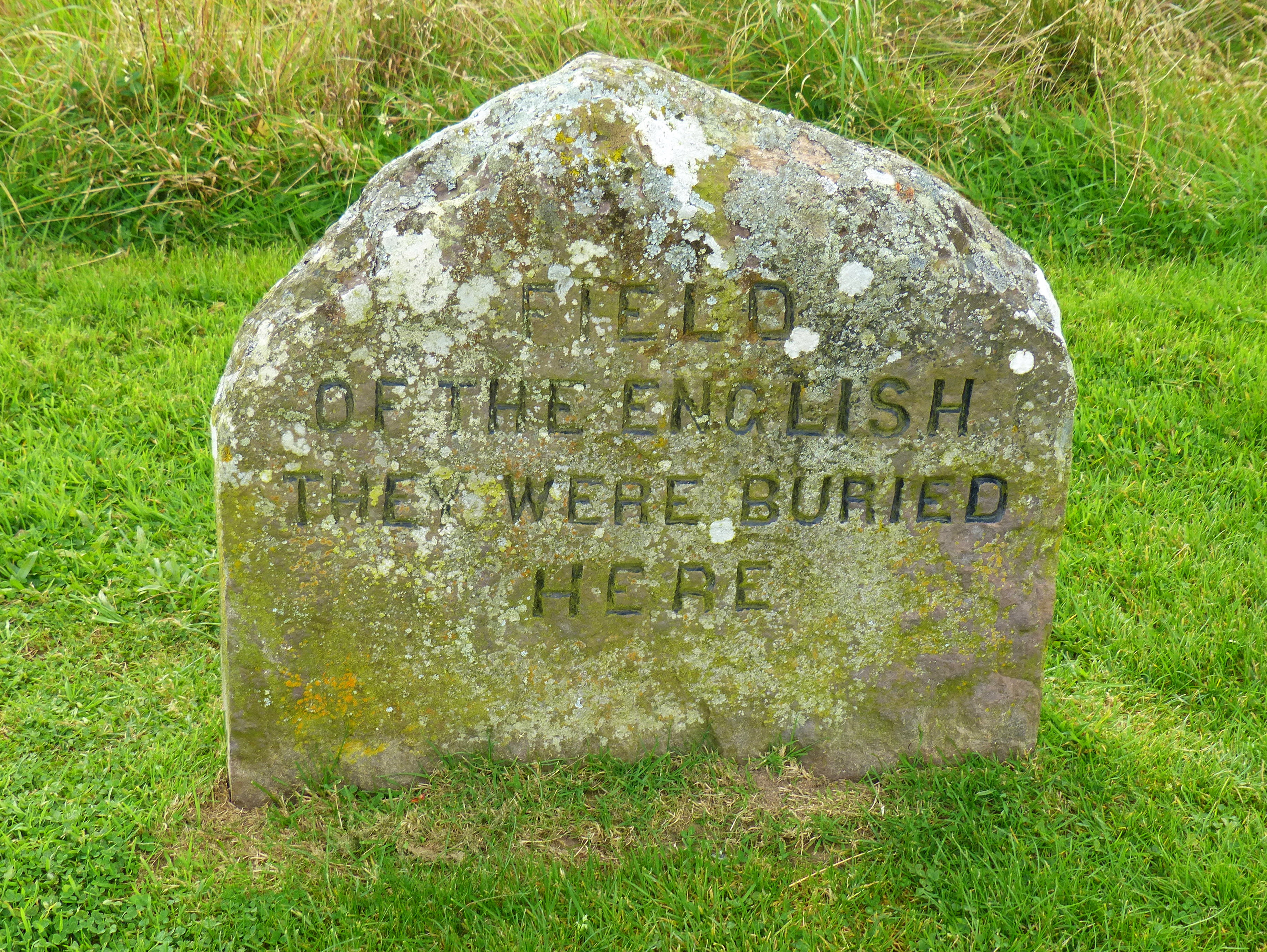
I recently finished a book about the Jacobite Rebellions against the British and was interested in seeing Culloden Field. In 1745, Charles Stuart or “Bonnie Prince Charlie” sought to reclaim the British throne. He raised an army of Scottish loyalists, known as the Jacobites, and had a few successful battles. The Battle of Culloden occurred on April 16, 1746, with Stuart’s forces being destroyed and ending his campaign. The British came down hard on the Highlanders, many people were executed, the wearing of plaid or playing the bagpipes was outlawed and a lot of land was confiscated amongst other repercussions.

Rebuilt cottage

Rebuilt cottage

The British headstone

The English Stone

Memorial cairn for the clans

Memorial cairn for the clans

As usual, it was nice to be able to see something for real and correct my mental image. There were informative signs indicating the placement of troops and where items had been found. It was also nice to be the expert on something and teach Chandler and thing or two.
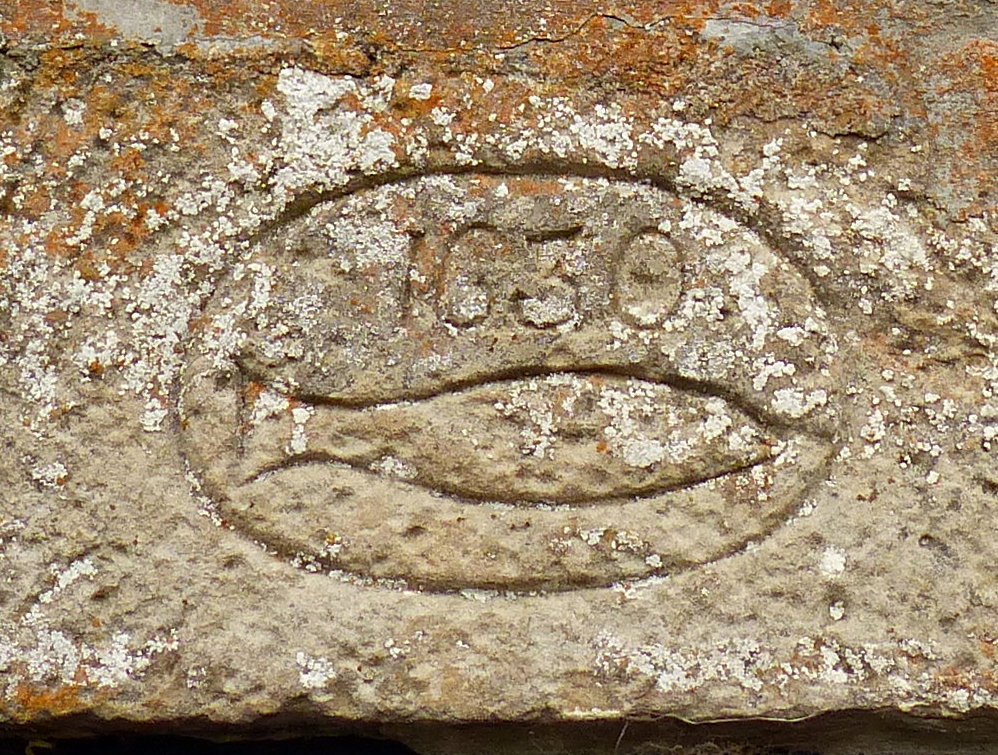
After a few hours wandering around the battlefield, we headed up to Spey Bay to hopefully see some dolphins. Scotland has largest bottlenose dolphins in the world, generally 2 meters longer and 100kg more than an average bottlenose dolphin. This is due to the fact that the waters of Scotland are much colder than else where, so they have to be extra fat. Unfortunately, we didn’t get to see any dolphins, but it was interesting to learn about them. We also went on a short tour of the largest ice house in Scotland and the history of salmon fishing in the area.

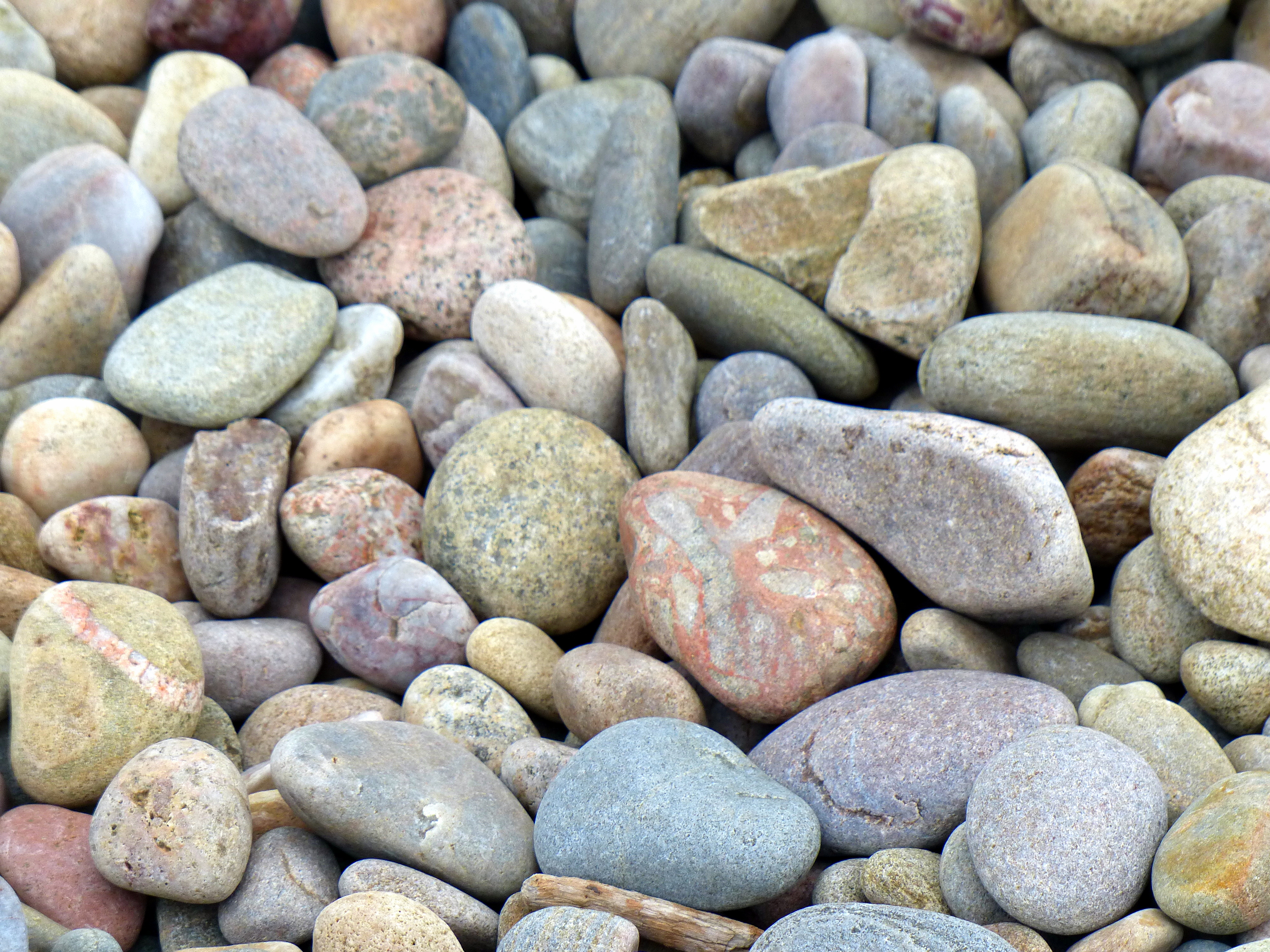
Stones on the beach

Stones on the beach

1630! That's old

Stone in the ice house

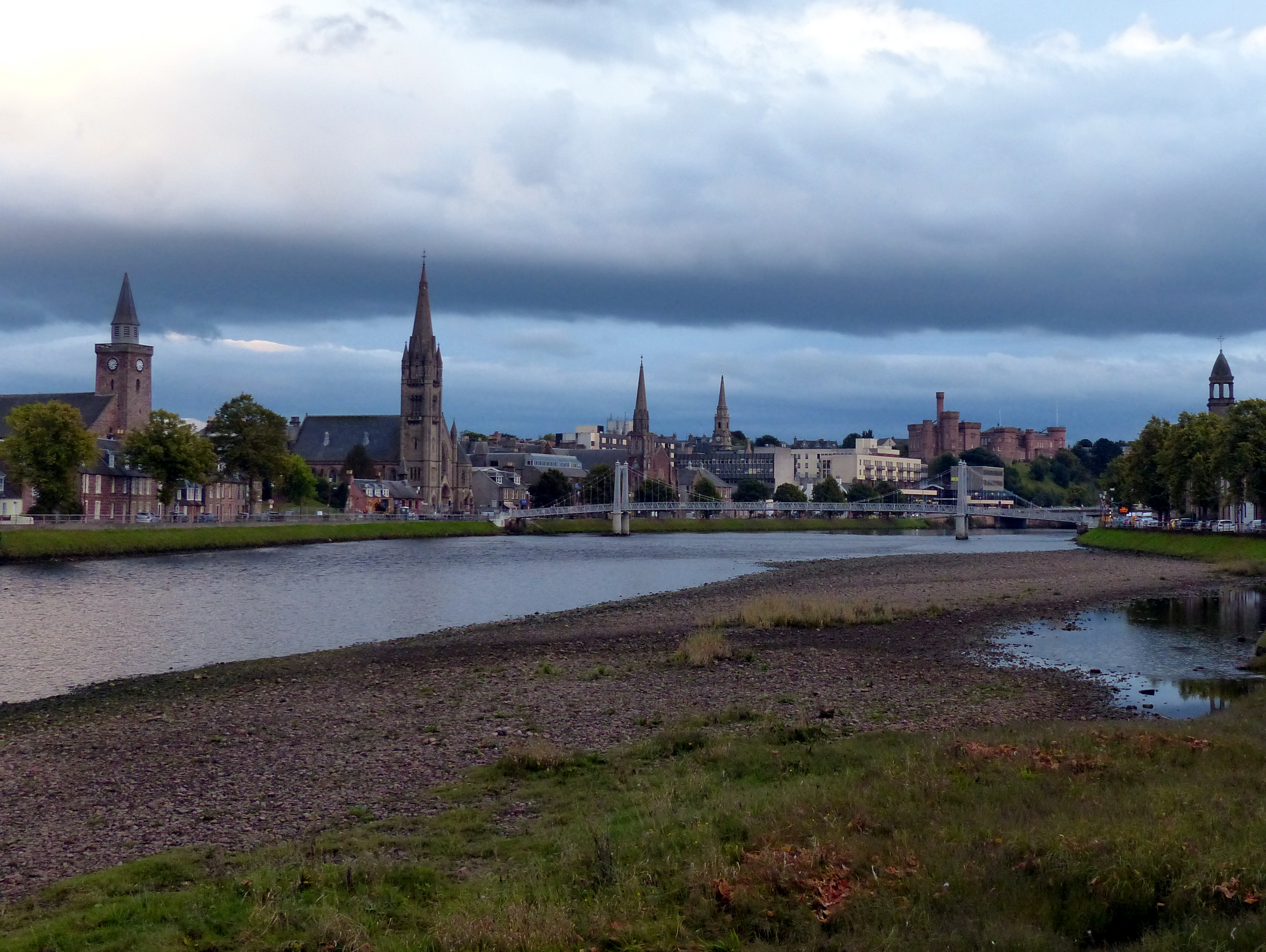
Our evening ended with a little tour of Inverness.

Inverness

River view of Inverness

Pretty city

Pretty city

Inverness Castle

Inverness Castle