The fortress

November 1, 2013

Cartegena was an important gold trading center in the region and was frequently sacked and held for ransom. The Spanish invested an incredible amount of money to fortify the city, and when they actually manned the fortifications, it worked.
P1050198

The fortress

In 1741, British and American colonial forces assaulted on the city during the War of Jenkin’s Ear. The attackers, led by Admiral Vernon, outnumbered the defenders nearly 9 to 1 but were forced to lay siege to the city due to the fortifications. The British were ultimately undone by a serious outbreak of Yellow Fever which killed more men than those who fell in battle. As an aside, Lawrence Washington, George’s older half brother led a failed charge of Colonial troops during the operation. He survived though, and named his estate in honor of his commander, Admiral Vernon.
P1050198

Original fort

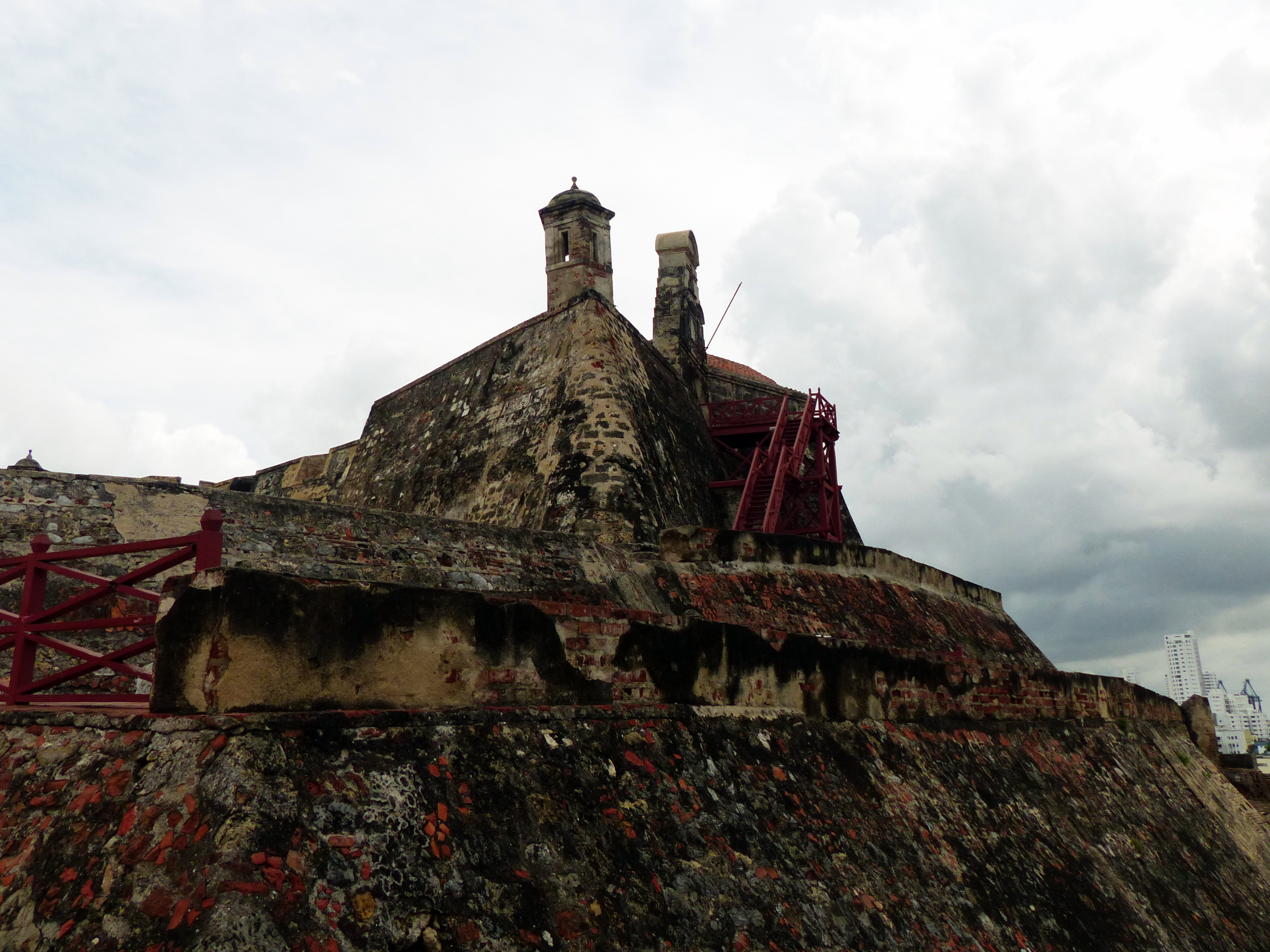
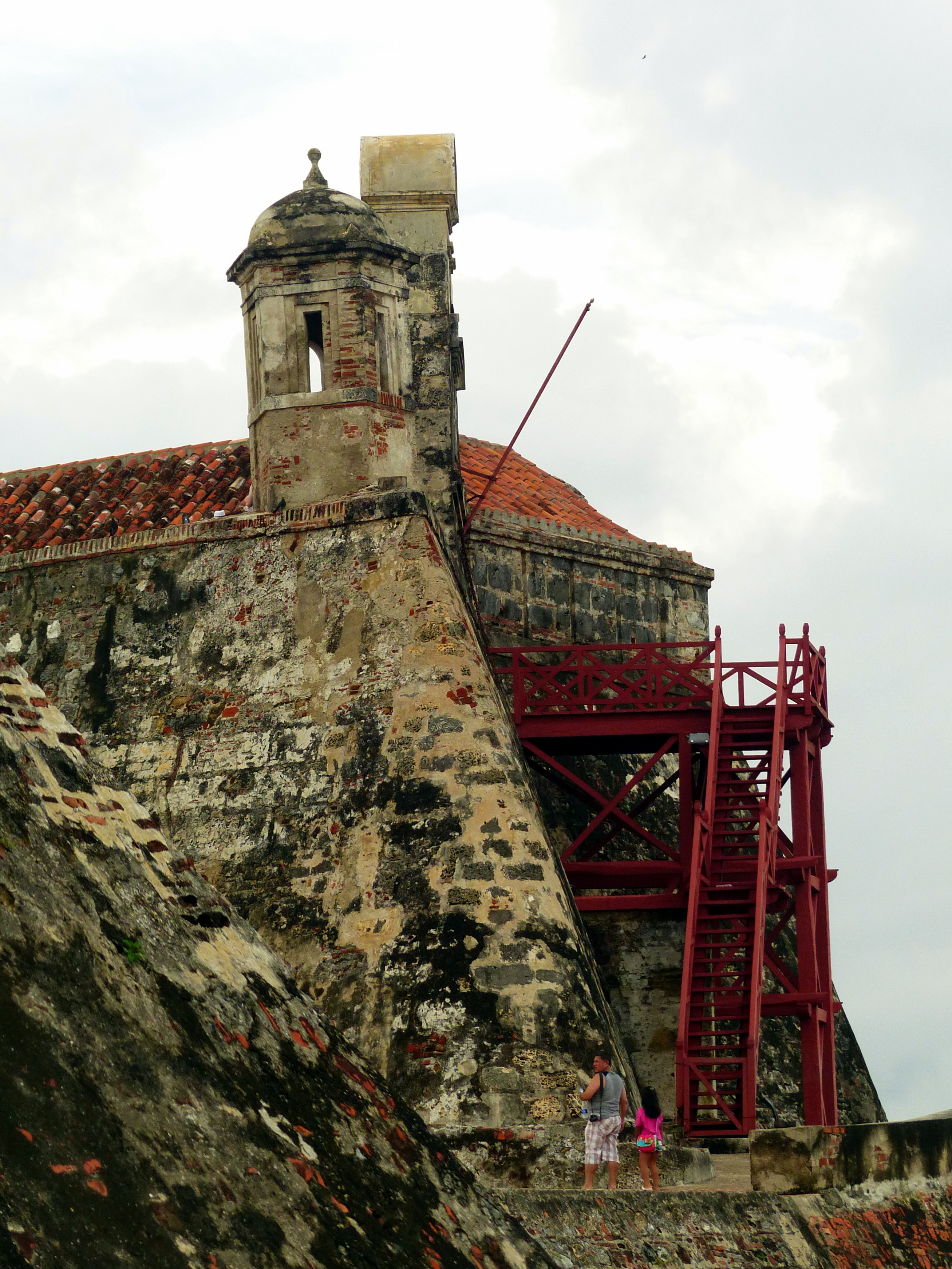
While the whole old city is walled and remnants of old forts litter the hills around the city, the most imposing defensive feature is Castillo San Filipe de Barajas. The massive stone fort occupies a hill which overlooks the old city. The original ground was high enough to be considered a threat to the city, allowing potential enemies to bombard the city from above. Original plans to tear the hill down with forced labor were abandoned as too expensive and time consuming, so instead the knoll was fortified with stone in 1536. The original structure grew through a series renovations until it reached its current, massive, sprawling state in the late 1700’s.

P1050198

Parade ground

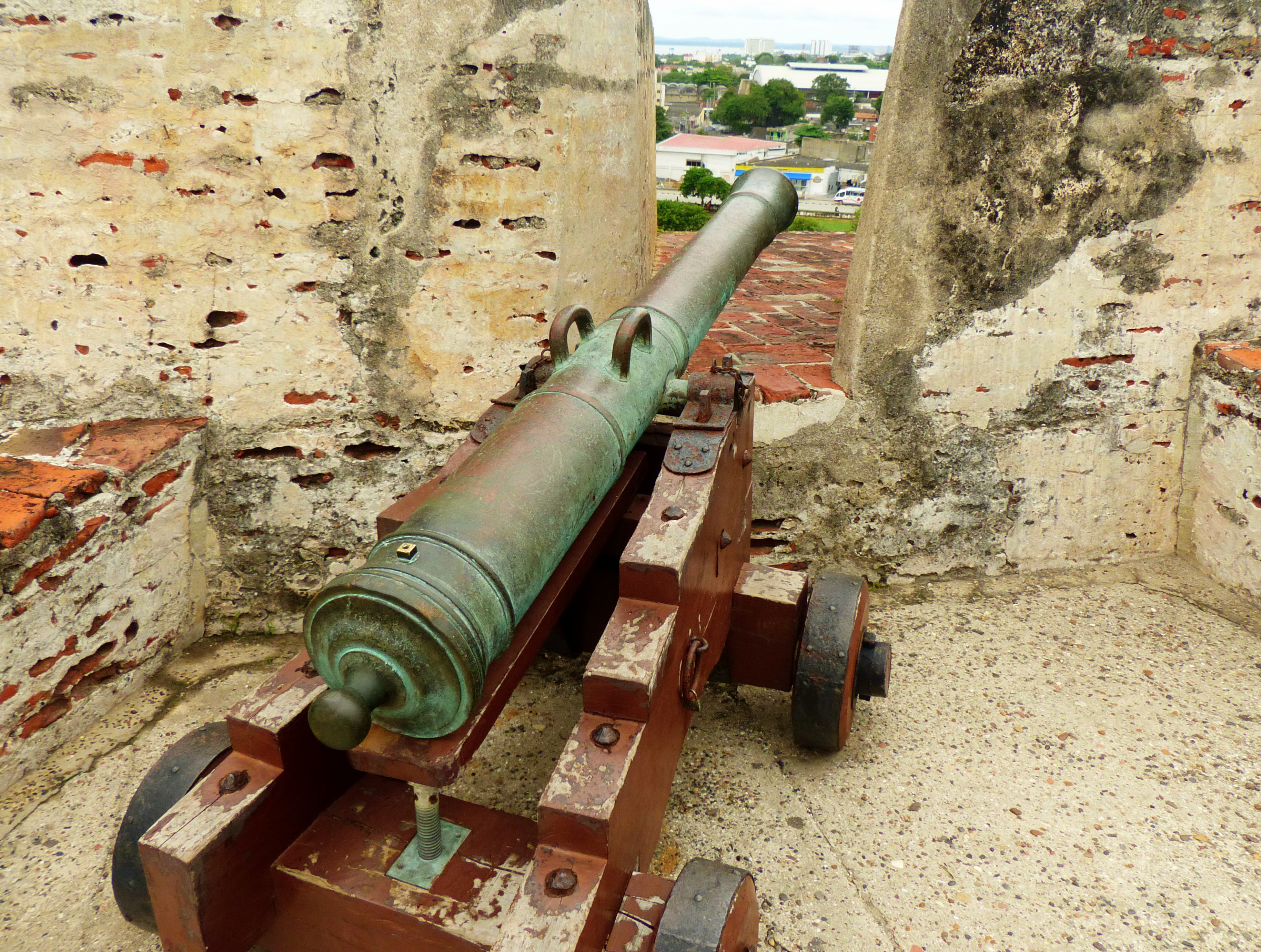
The fort is considered a war engineering masterpiece, which was nearly impossible to seize. Batteries of cannon and defensive positions not only pointed at the ground approaching the fort, but also provided excellent firing angles directly at the lower batteries. If an enemy did capture the lowest parts of the fort, they would be sitting ducks for the cannon and soldiers higher up.
P1050198

Cannon

P1050198

Down the barrel

The fort included a large cistern so defenders could sit and wait a while while an enemy laid siege. This was a very important part of the design- the longer the enemy was forced to sit and maintain the siege in the swamps around the fort, the more likely an outbreak of some tropical disease would wipe them out.

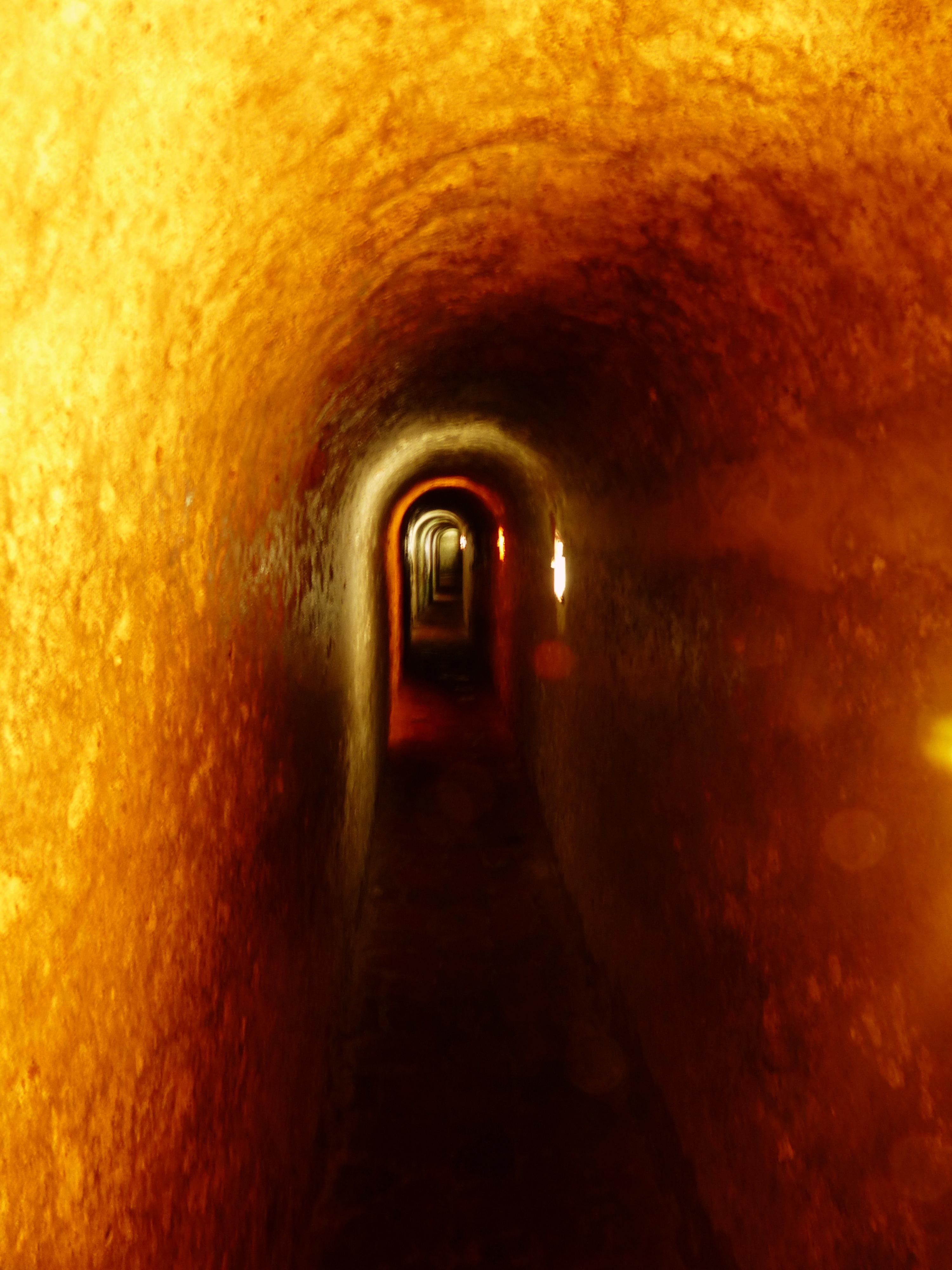
A massive network of tunnels riddled the original hill under the fort, providing underground access to various positions. In the unlikely event that the fort was captured, small rooms filled with barrels of gunpowder could be detonated, blowing the fort to bits.

I wandered around doing a self guided audio tour which provided hours of detailed information, while Kalyn and Jenny did their own self-guided tour.

P1050198

Colombian flag

When I caught up with Jenny and Kalyn, we headed down to the tunnels. At first, we just traveled in a circle in a narrow and short tunnel before we arrived back at the entrance. Still curious, we turned back around to explore one of the passages that shot off the main tunnel. This tunnel lead us down, down, down. Jenny eventually got very claustrophobic and had to turn around, Kalyn and I joined her in returning to the surface. We later learned that the tunnel led down to an area that once was dry, but has subsided and filled with water that gets higher or lower depending on the tide and is pitch black.
P1050198

The tunnel

The rest of the day was for walking around the town and relaxing.
P1050198

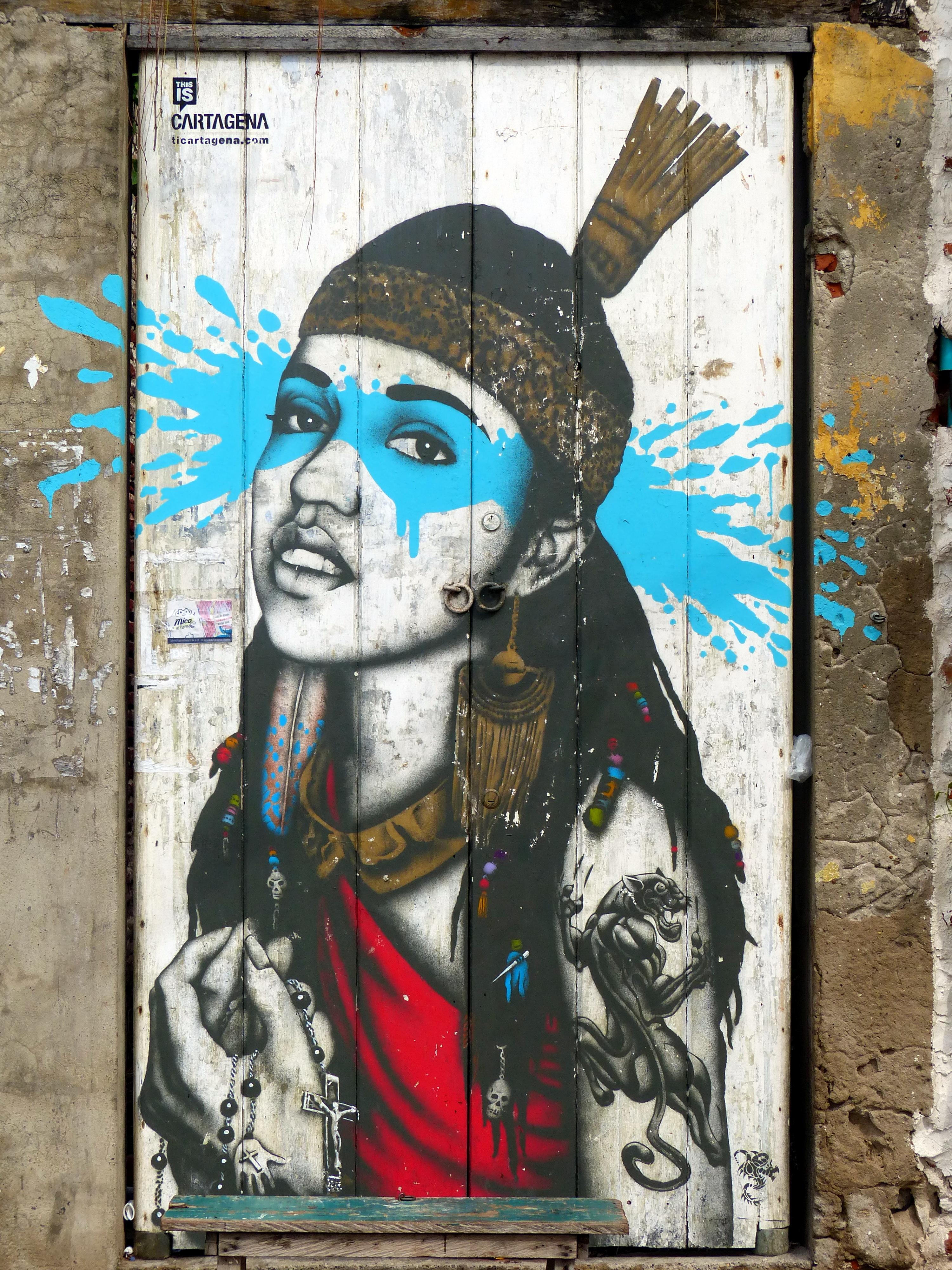
Street art

P1050198

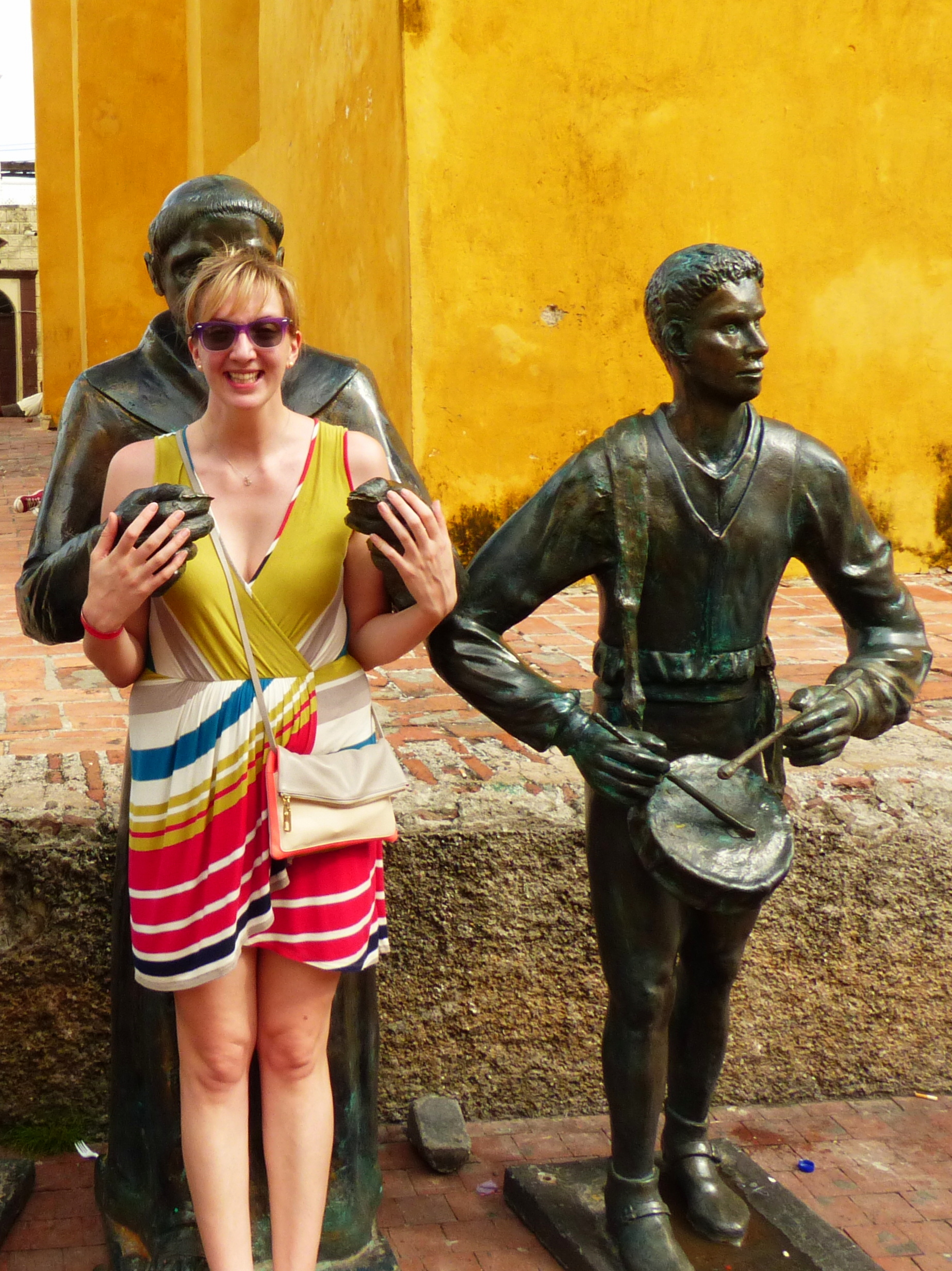
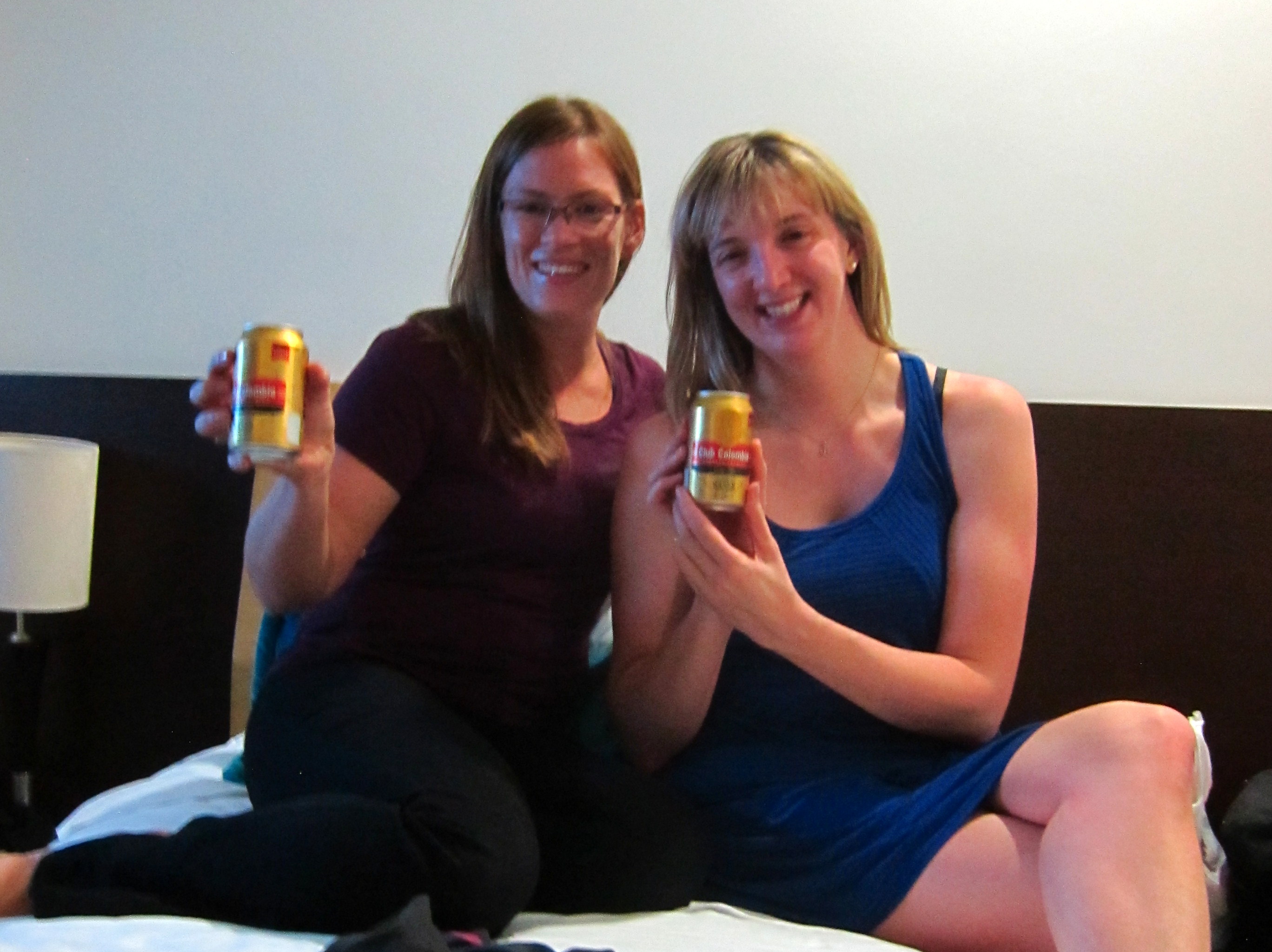
Kalyn and a new friend
Onto Cartagena

October 31, 2013

For Halloween, Kalyn, Chandler and I caught a flight to the coastal city of Cartagena instead of taking the equally priced 12 hour bus ride. Our flight was short and we were checked into our hostel and exploring by 2pm.

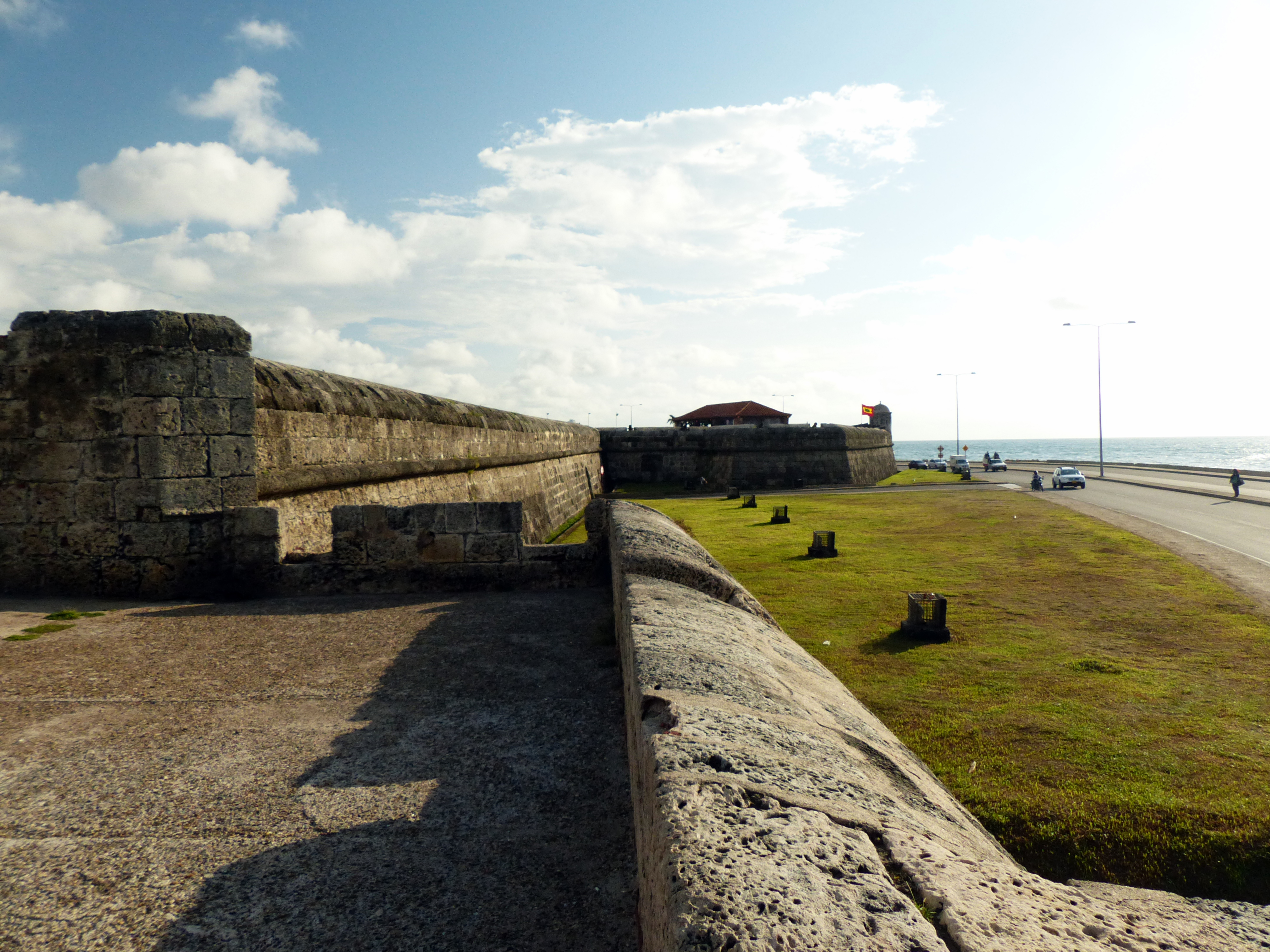
Cartagena feels like two different cities, everything in the old, walled city and everything else outside. We walked along the wall and had views of the ocean and huge modern buildings. Inside the walls, the buildings had a colonial Spanish style. It was quite a contrast.

P1050198

Cartagena

P1050198

Wall of the old city

P1050198

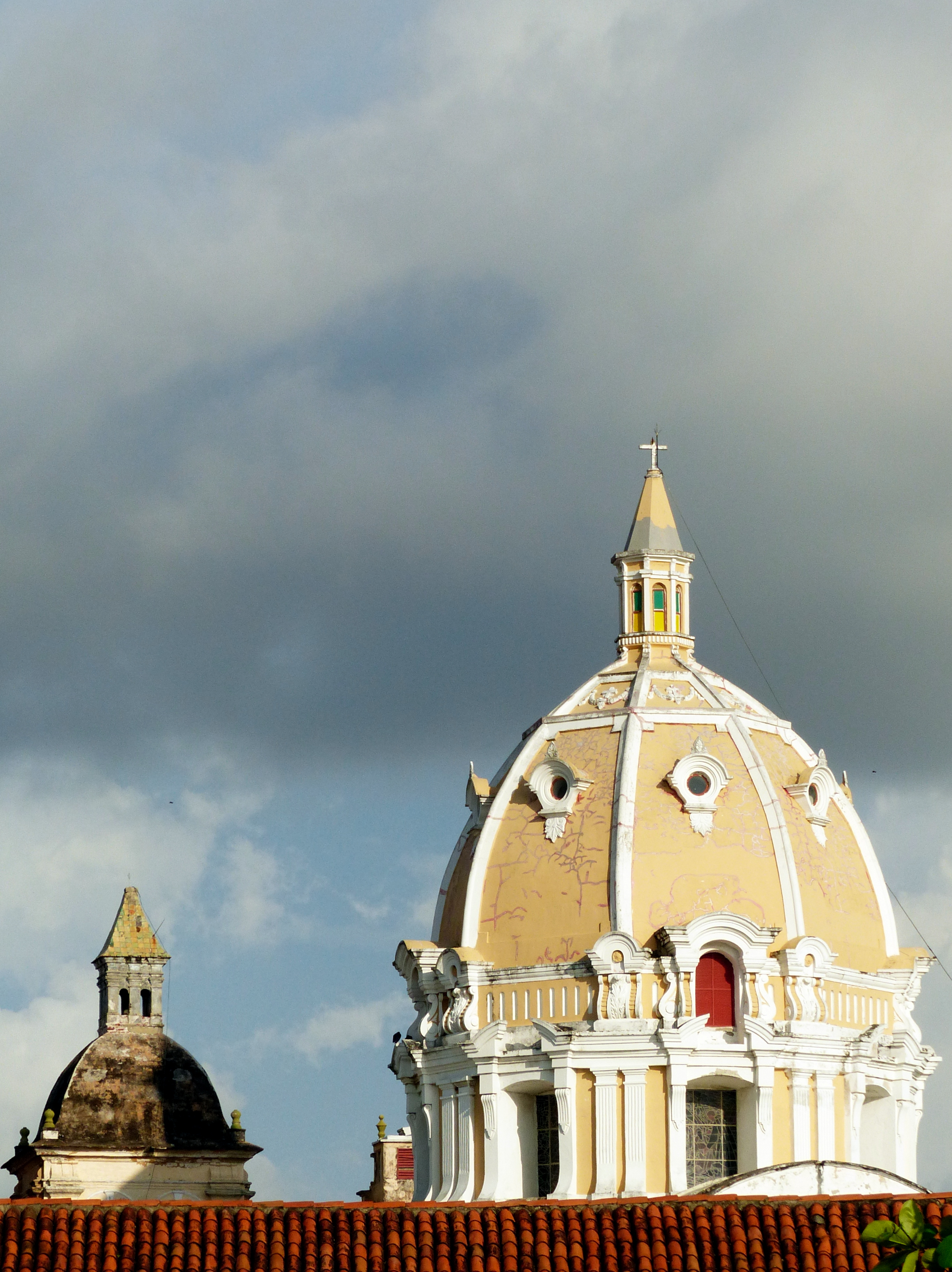
Domed top

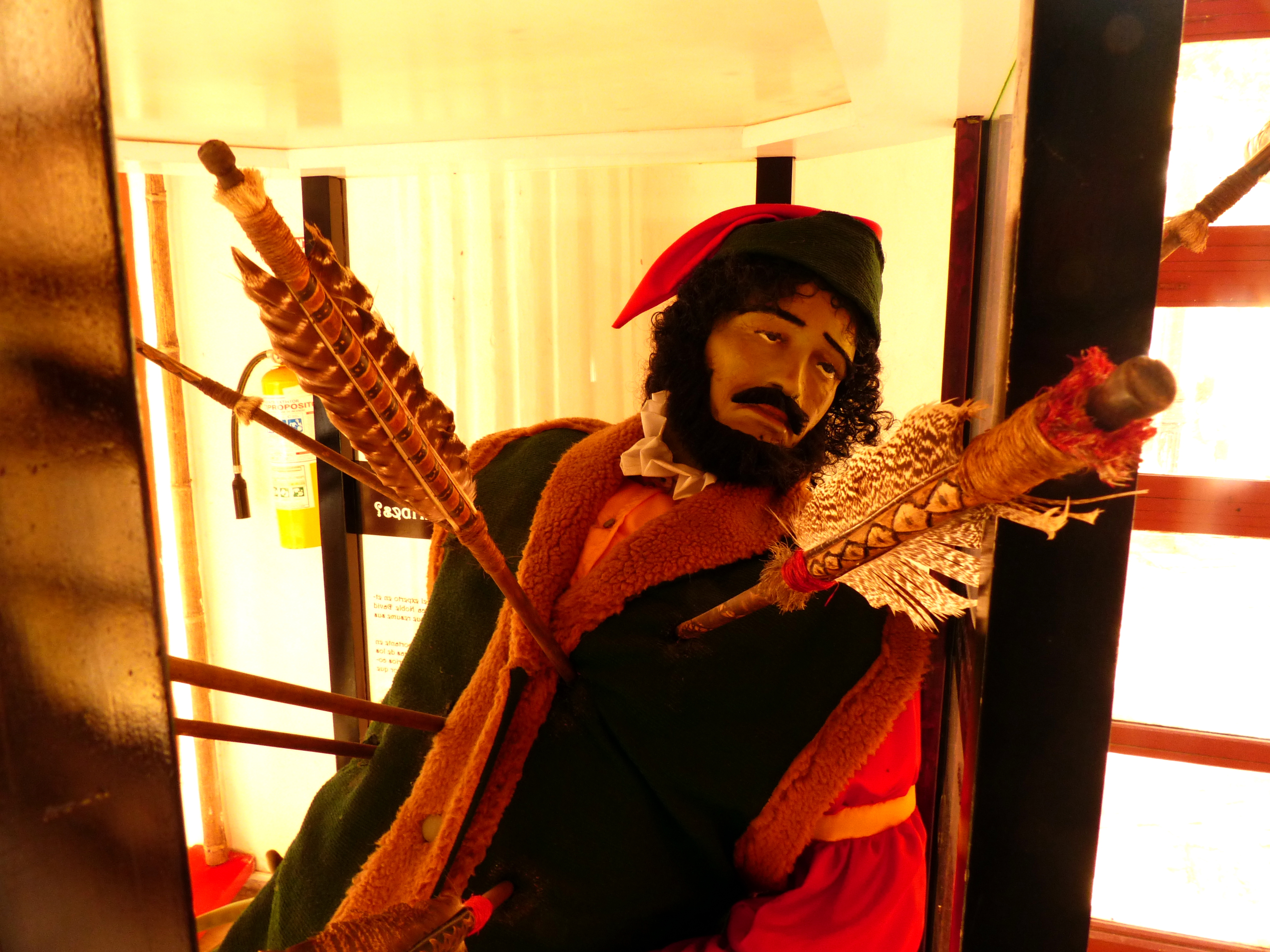
The walled portion of the city was full of artists and tourist traps. It was a little too late in the day for a full tour of a museum, but we took a quick peek at the Colombian Naval Museum. Everything was in Spanish and since Chan and I can’t read a word of Spanish, we just wandered around and looked at the displays. There were lots of scale models of all the Spanish forts built on the coast to protect the city from frequent invasions from pirates.

P1050198

Naval museum display

Since it was Halloween, we ended the night at a bar across the street from our hostel where Kalyn and I enjoyed a drink while Chandler had a Colombian cigar.

A tour of Medellin

October 30, 2013

Our hostel offered a free walking tour so we figured we should take advantage of the activity. Our guide emphasized how far Medellin has come since the days that Pablo Escobar, a prominent drug lord, who ruled the city during the 1980s and 90s.

Medellin was once considered the most dangerous city in the world, but after Escobar’s death in 1993, crime decreased. Slowly, the city was able to rebuild itself. Today, Medellin is a thriving city full of culture and felt safer to us than Bogota.

P1050198

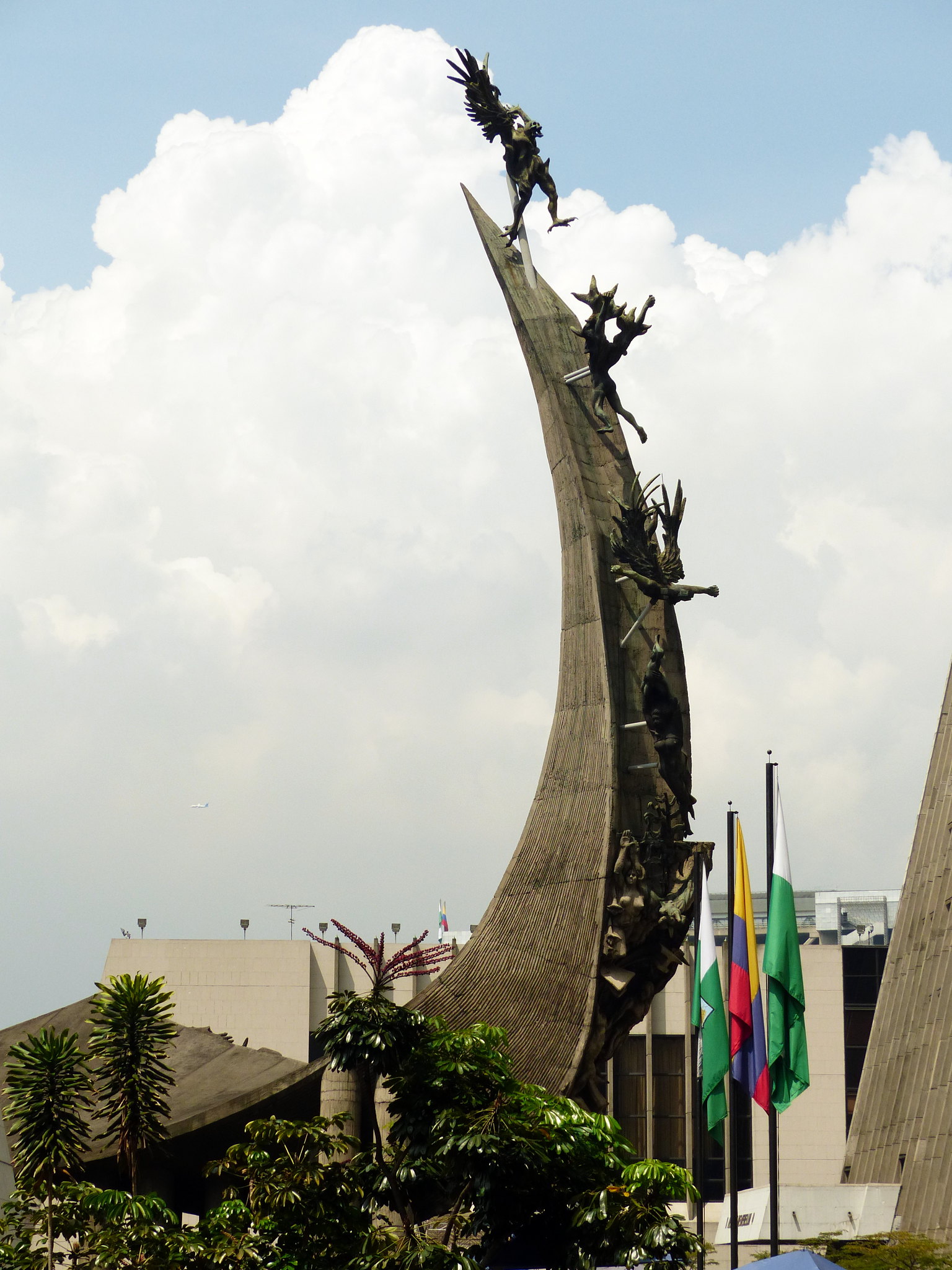
Monument to the race

P1050198

Park of the lights

P1050198

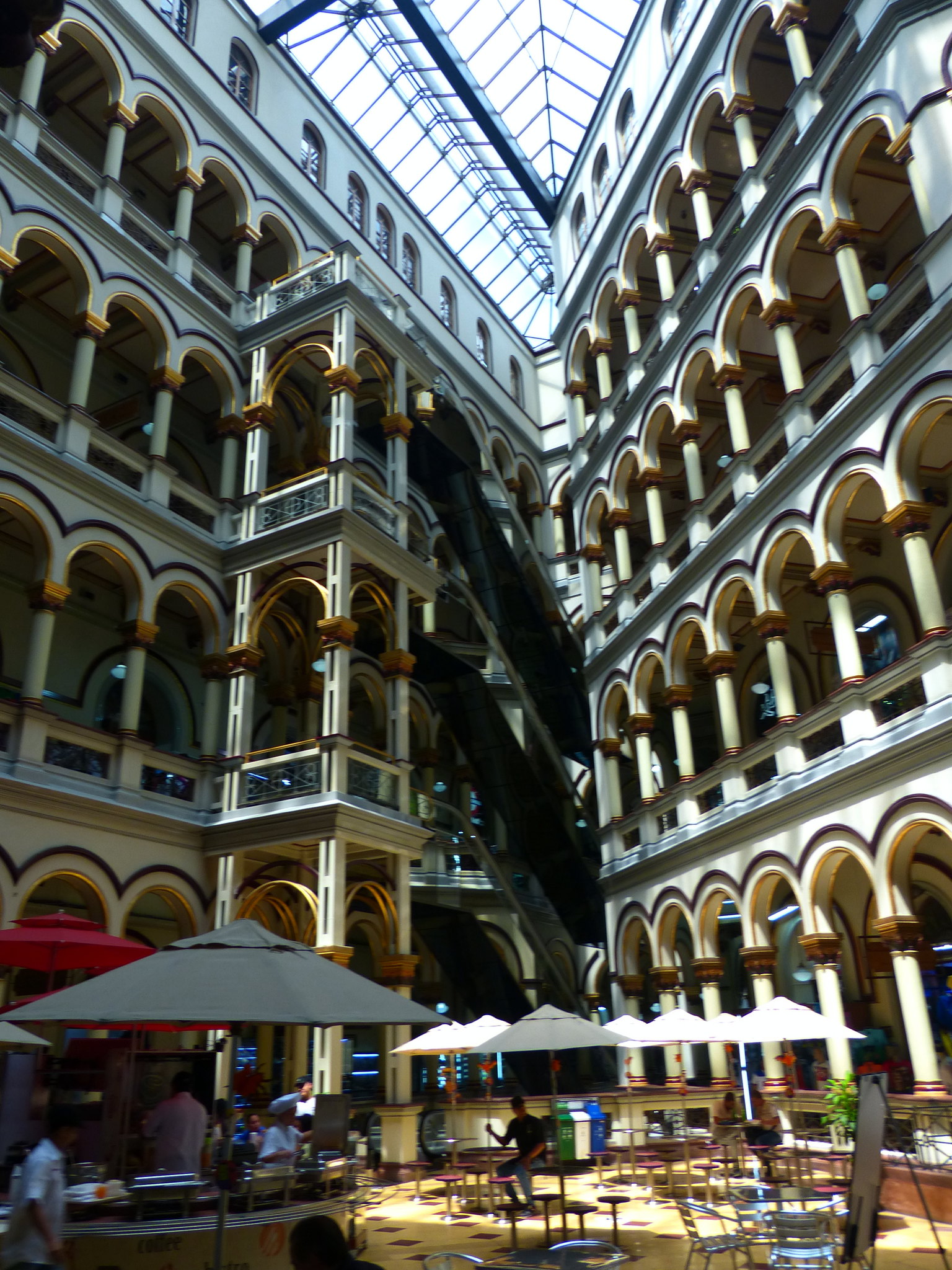
Former courthouse turned shopping mall

P1050198

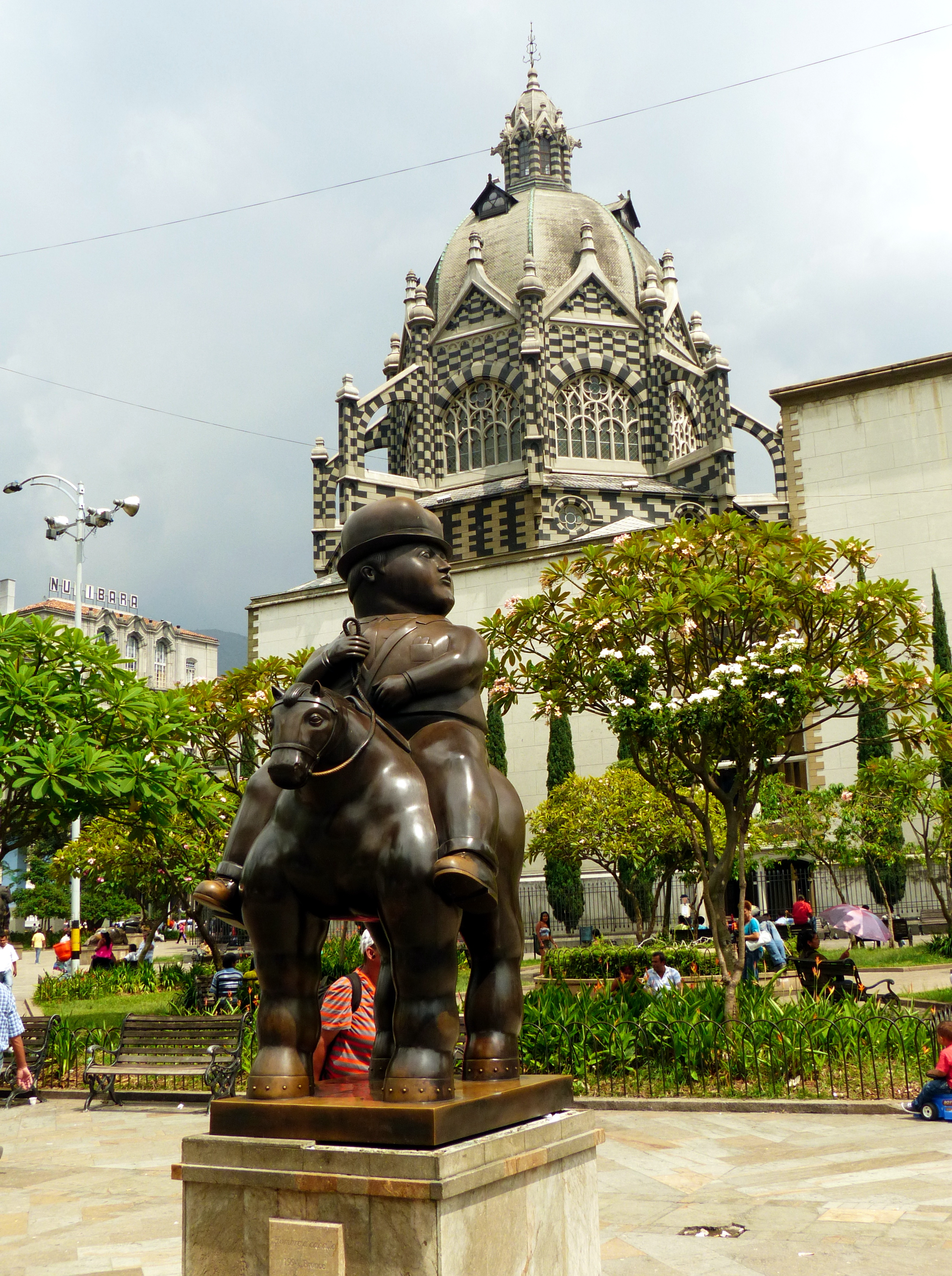
More Botero

P1050198

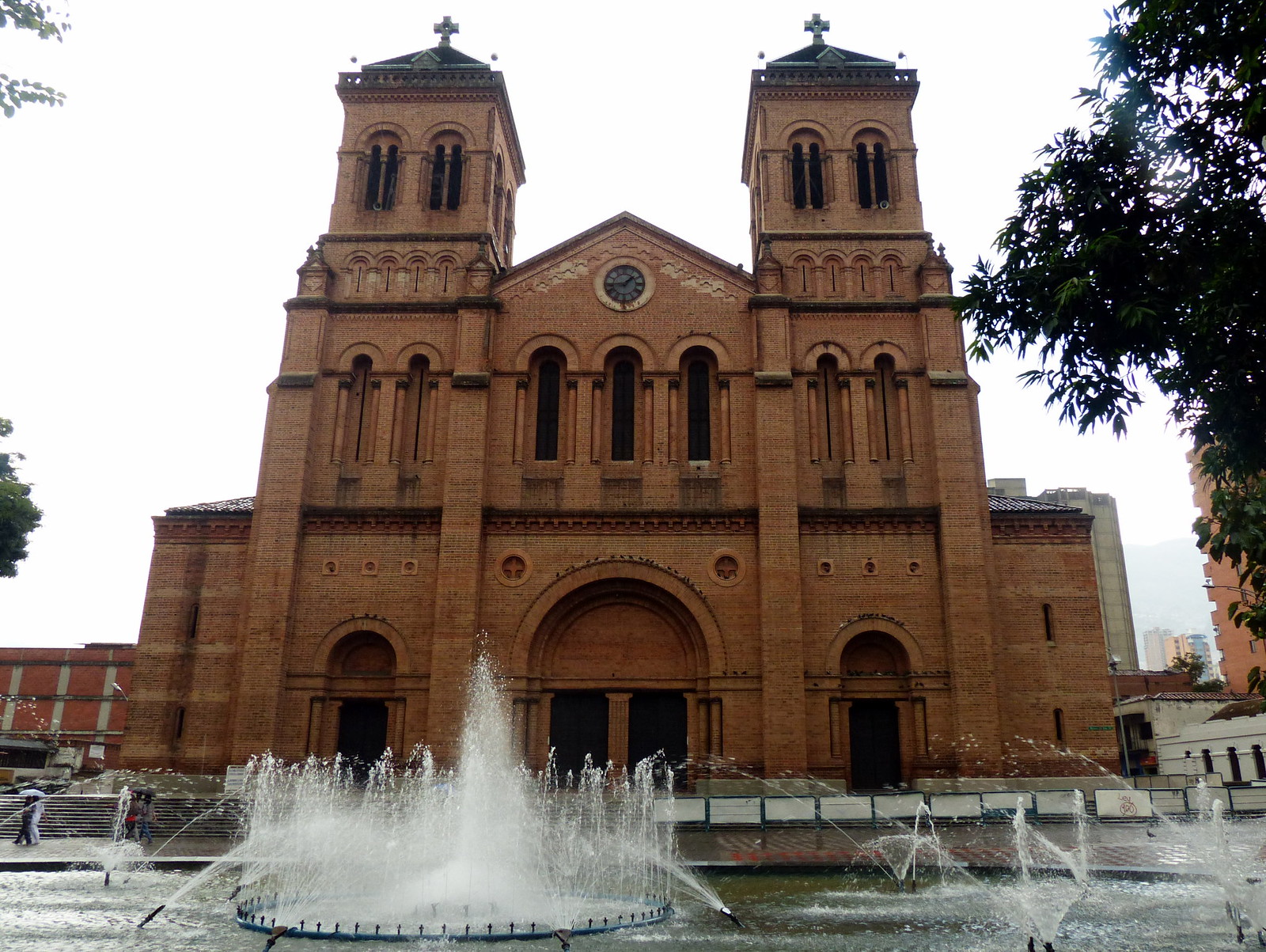
Largest brick church in South America

One of the most interesting stories we heard was about the statue of the Bird of Peace. In 1995, terrorists set off a bomb under the statue, killing a number of people at a local market. Instead of tearing the statue down, Botero, who sculpted the original bird, made an exact replica to sit beside the damaged statue. The contrasting sculptures provided a vivid visual reminder of how bad things could be, and how good they are now.

P1050198

Botero birds of peace

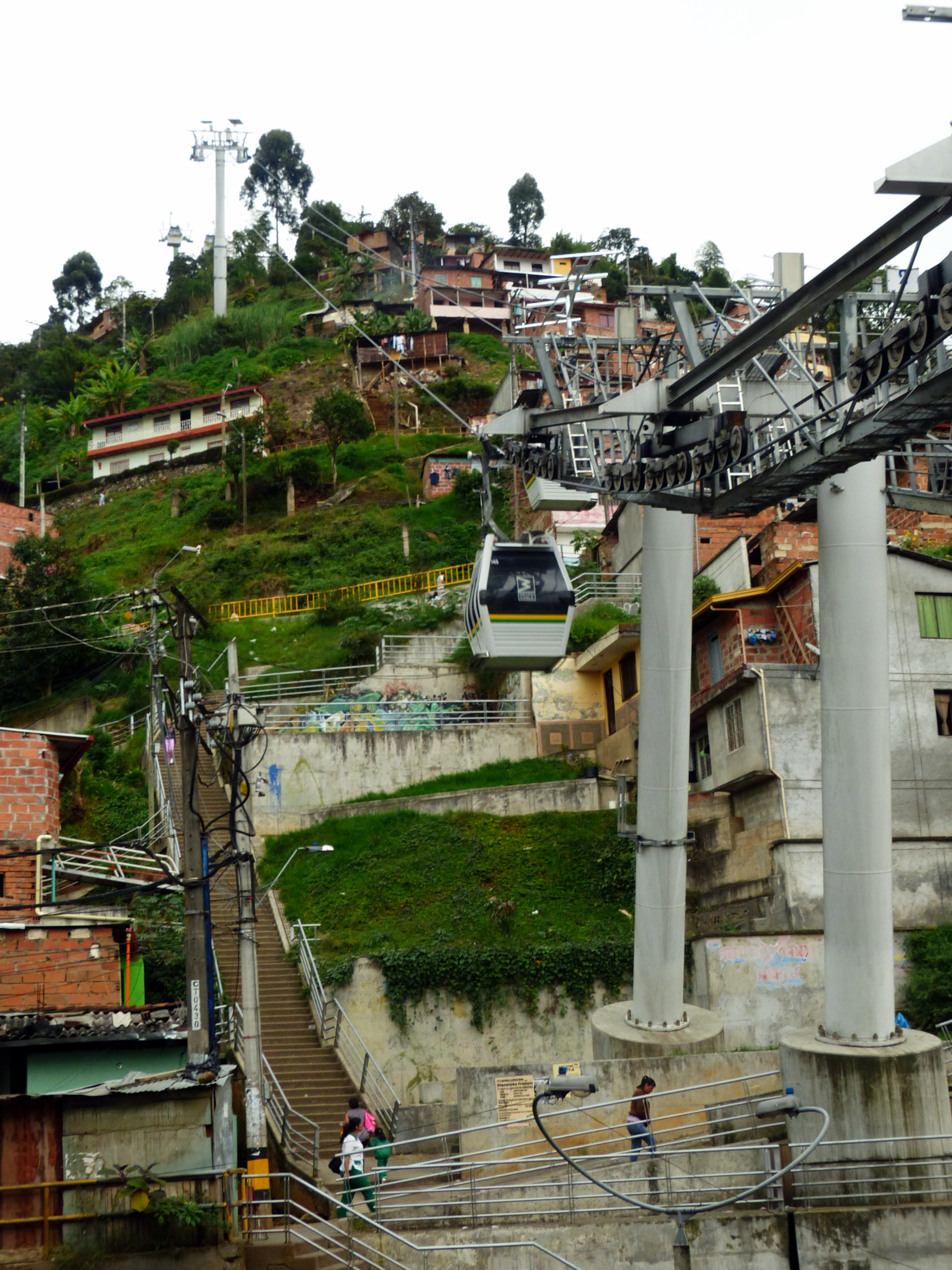
Medellin has been working hard to make it easier for the people living in the slums to have access to the city center. A huge affordable metro line was constructed, which included gondolas lines and in some areas, massive escalators providing access to the most poor neighborhoods high on the hills. A large public library was also built in a slummy neighborhood in an attempt to help improve access to education.

P1050198

Gondola

We took the gondola to the very top and were thinking about getting out to walk around but it began to rain with some lightning. It was a good excuse to head back to the hostel.

The day ended with the Red Sox winning the World Series! We were very happy.

El Peñol de Guatapé

October 28 – 29, 2013

Our first day in Medellin was a little anti-climactic, Chandler and I went to the dentist to get our teeth cleaned on a budget. Colombia is becoming a popular medical tourism spot. Lots of people come from the US and other places for expensive procedures at reduced rates.

We had a mellow night and watching the Red Sox beat the Cardinals to during the world series at our hostel. ESPN was all in Spanish, so we had WEEI Red Sox radio streaming on wifi while watching the picture on the TV with about a 3 second delay on the TV broadcast.

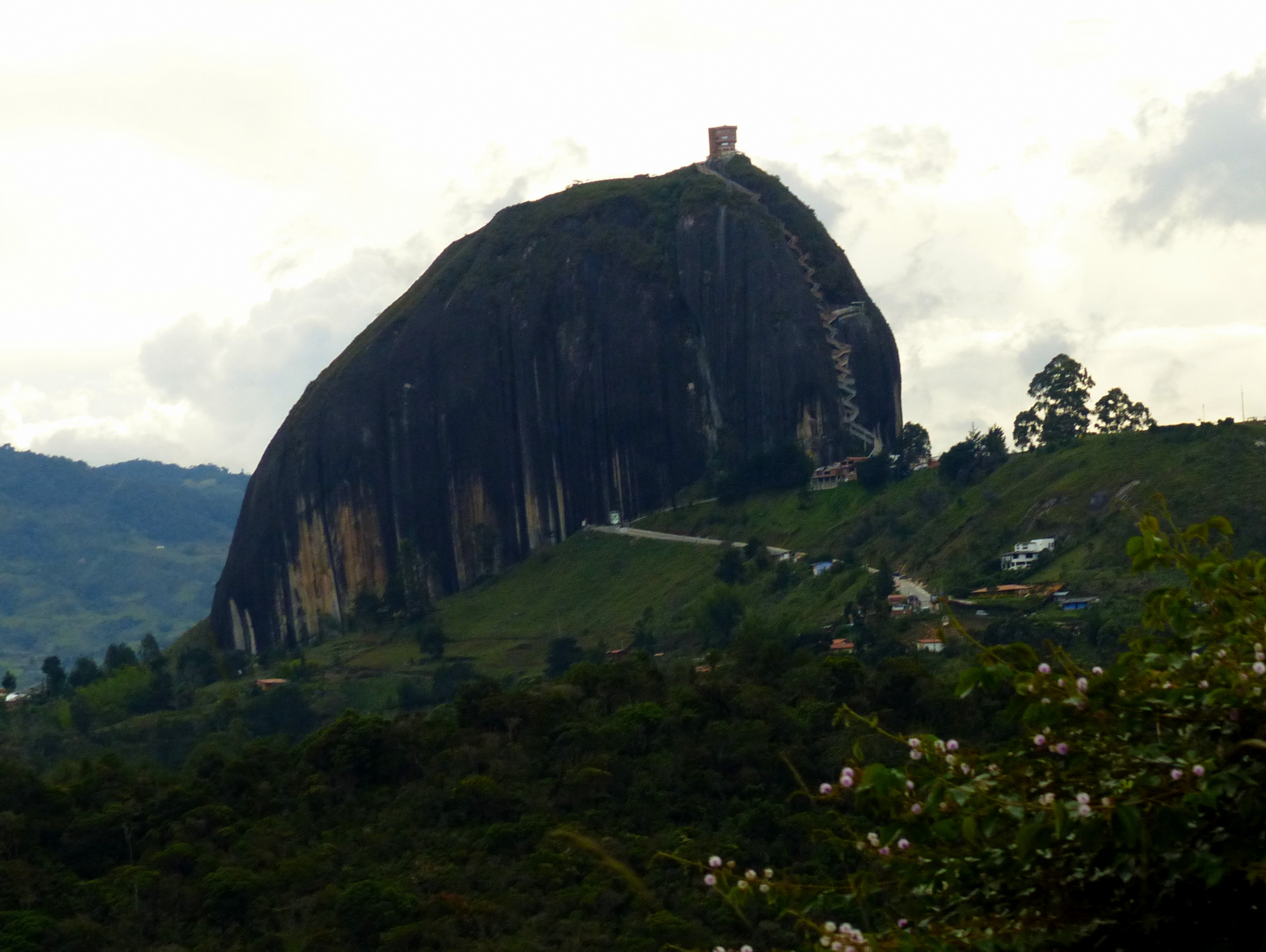
The next day, we caught a bus to El Peñol de Guatapé outside of Medellin. My dad had sent me a photo of a giant rock with stairs climbing up the side once he realized we were serious about going to Colombia and it looked like it was worth checking out.

P1050198

El Peñol de Guatapé

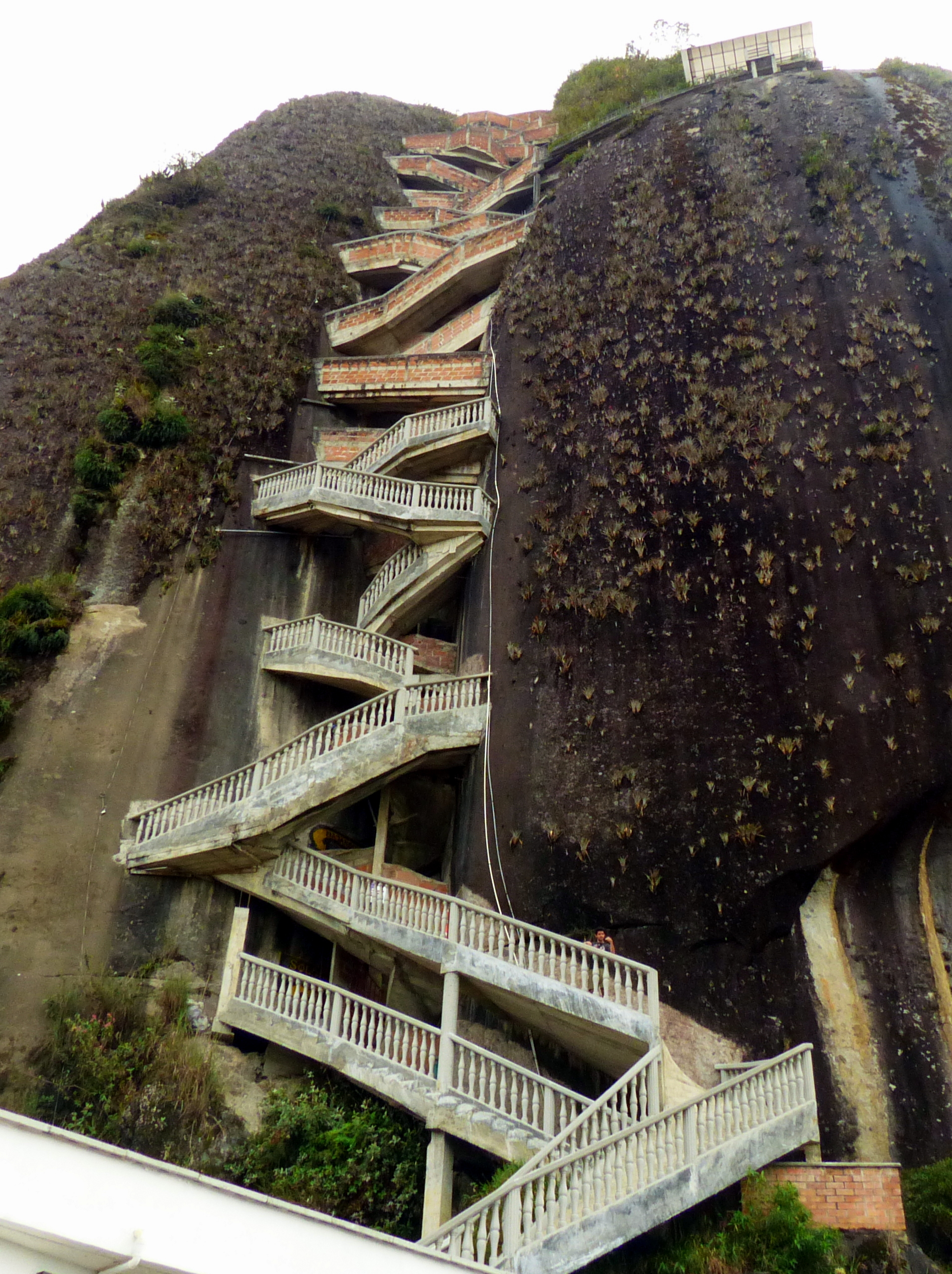
It was pretty warm and humid when we arrived and were warned that the 740 stairs would take us about 45 minutes to climb. We doubted this number, timed ourselves and made it to the top in under 15 minutes including a break.

P1050198

That’s a lot of stairs

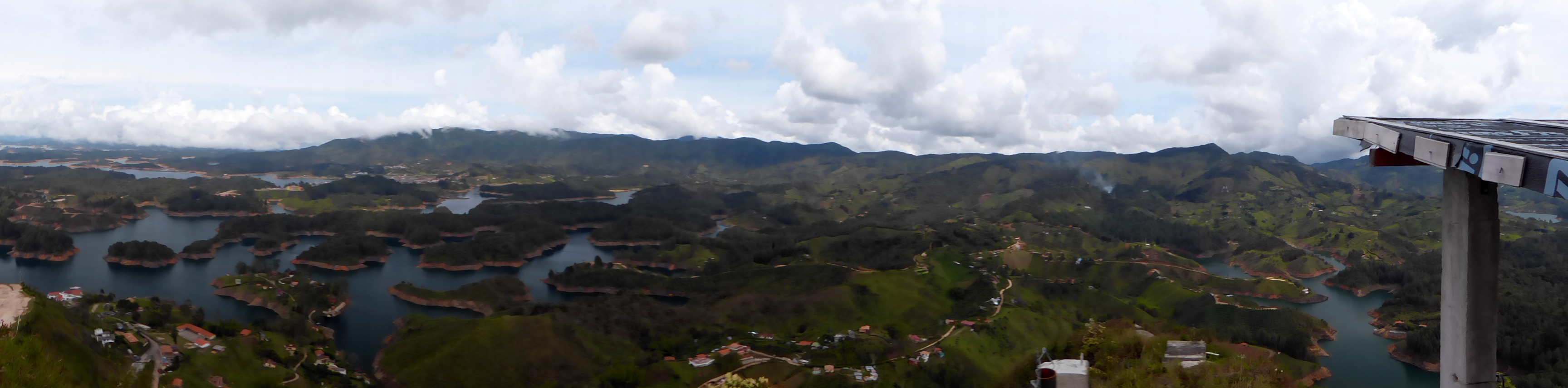
The climb was worth it and we were rewarded with a stunning view.

P1050198

Worth the climb

P1050198

At the top

P1050198

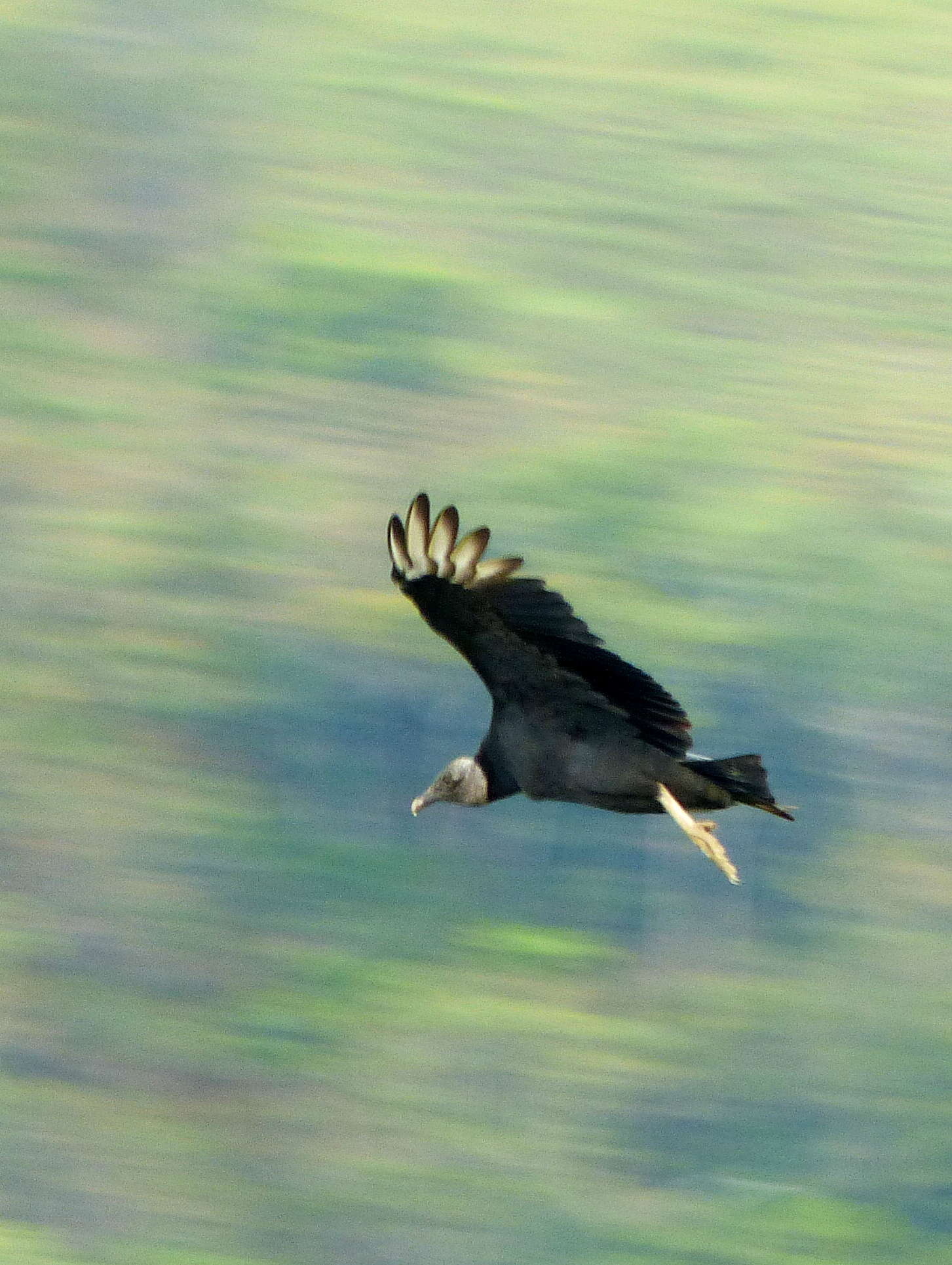
A vulture

At the top there were a few shops selling over priced beverages and cheap knick-knacks, so we only stayed long enough for pictures. The climb down was much easier but a little scarier, because now I could see how far I could fall. We took a auto rickshaw taxi to the town of Guatapé for dinner. Chandler ordered a very meaty dish.

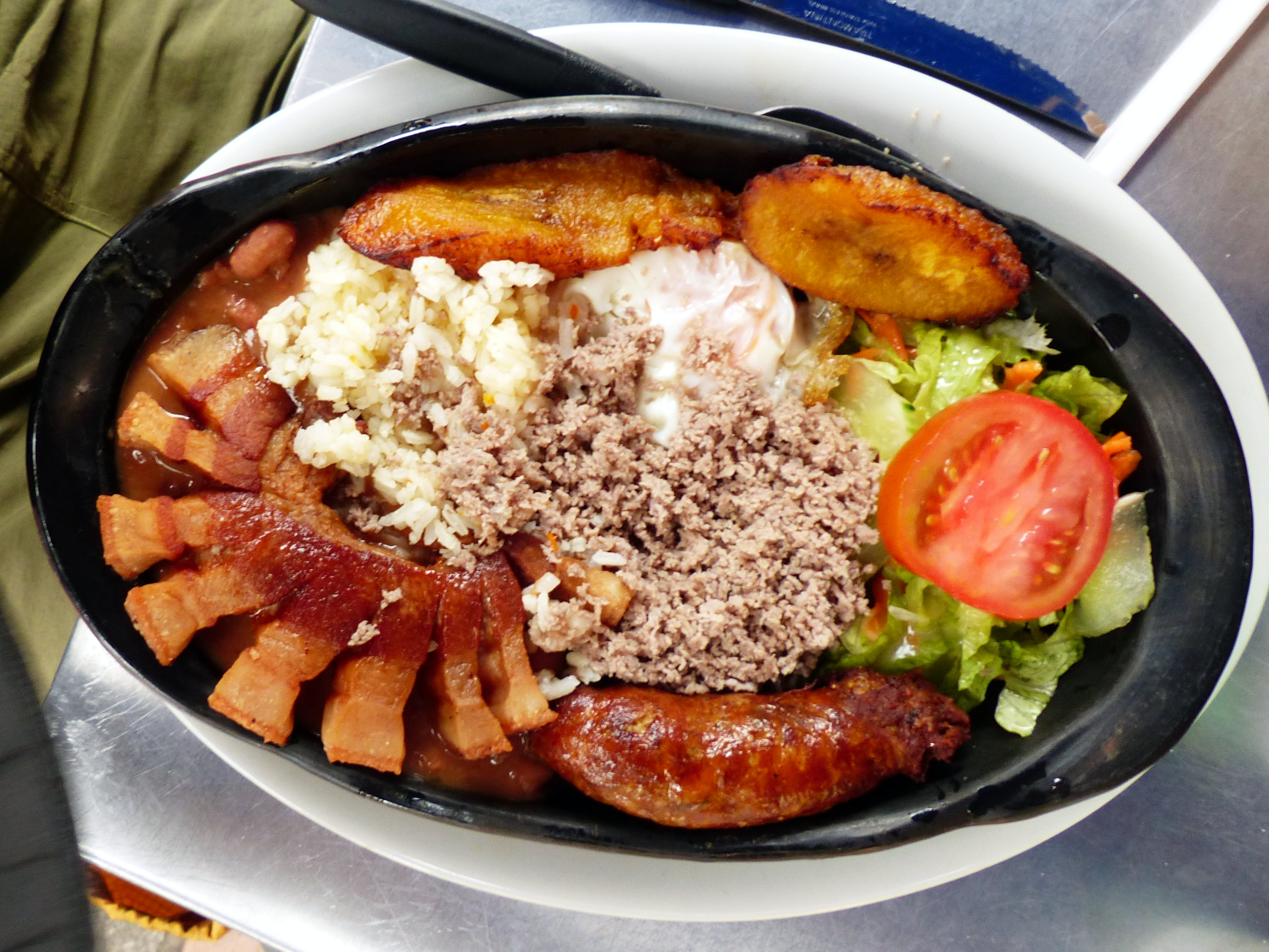
Bendeja paisa is a traditional Colombian meal for farmers. This meal had enough calories to fill a farmer in a full day’s work. The pile of food was made up of rice and beans, fried plantains, avocado, a mound of ground beef, two sausages, a slice of pork belly, topped with a fried egg and a nice healthy tablespoon of salad on the side.

P1050198

Bendaje paisa

P1050198

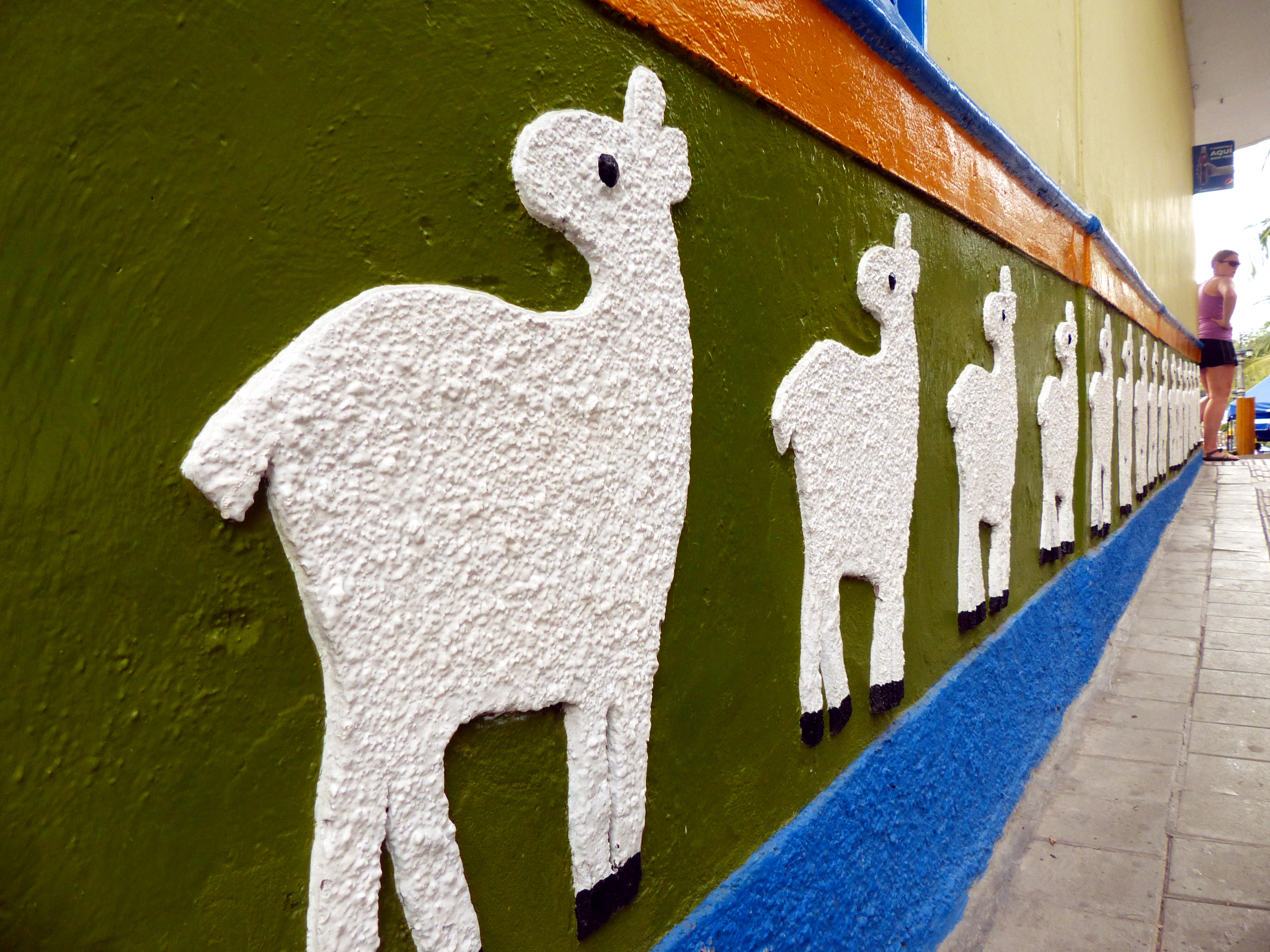
Sheep detail

P1050198

Flower

After a long walk through town, we took a bus back to Medellin to take in another Red Sox victory.

Fast forward a few days

October 24 – 27, 2013

The next few days were spent relaxing and waiting for my friend, Kalyn to arrive in Colombia from Alaska. We hung around Salento for another day before heading to Manizales. We had intended to hike up a volcano outside of Manizales, but the park was closed and there wasn’t much else to do in town. So, we went to see Gravity in 3D. We both really enjoyed the film, but had slightly different reactions. I said I never wanted to go to outer space while Chandler claimed he never wanted to go scuba diving again. I got a big chuckle out of that.

After two days in Manizales, we took a bus to Medellín (pronounced med ah juh-een) to meet my friend. The days weren’t super exciting because we just laid low, but we did take a few pictures.

P1050198

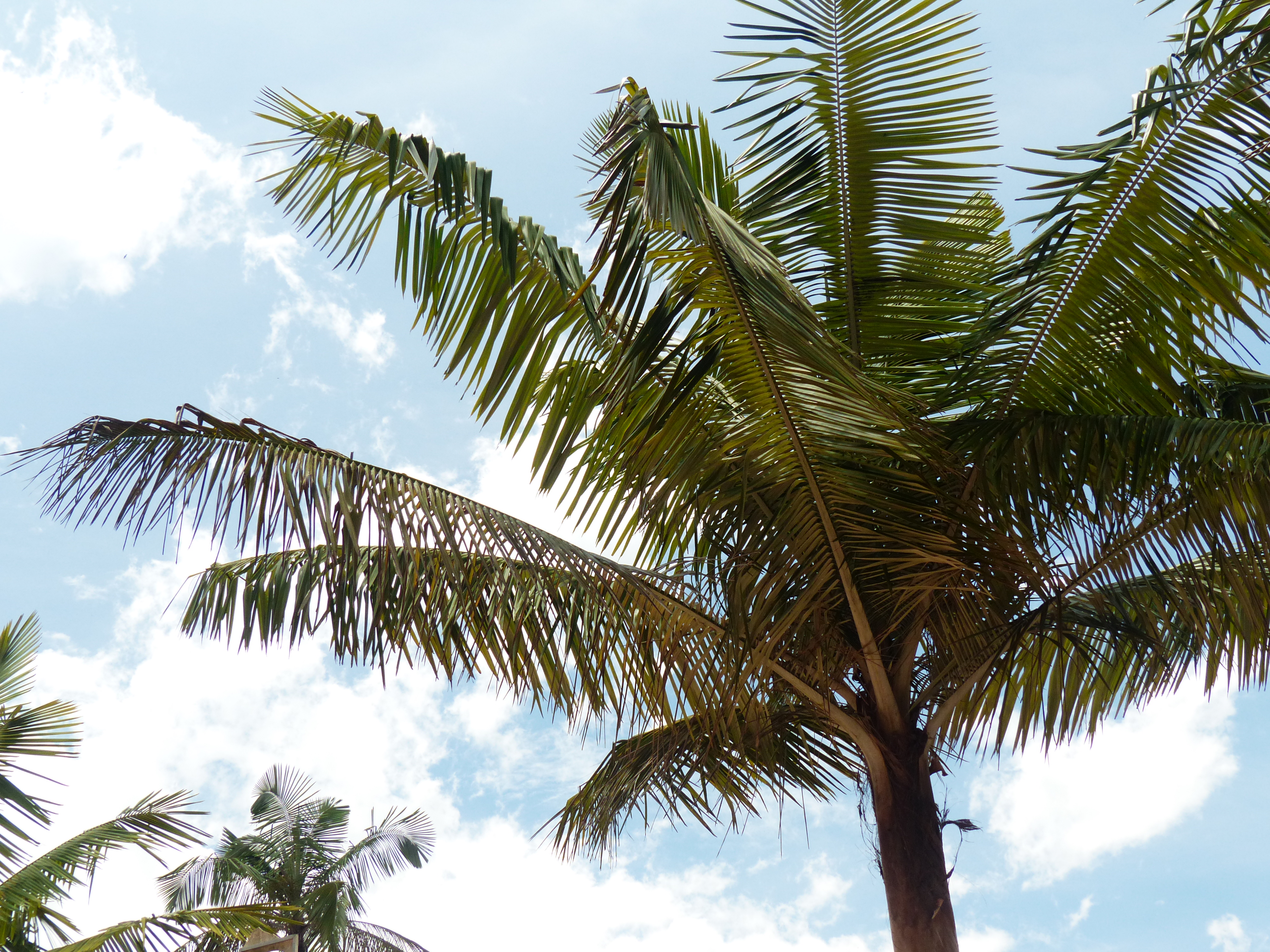
Palm tree

P1050198

Salento

P1050198

The Willy

P1050198

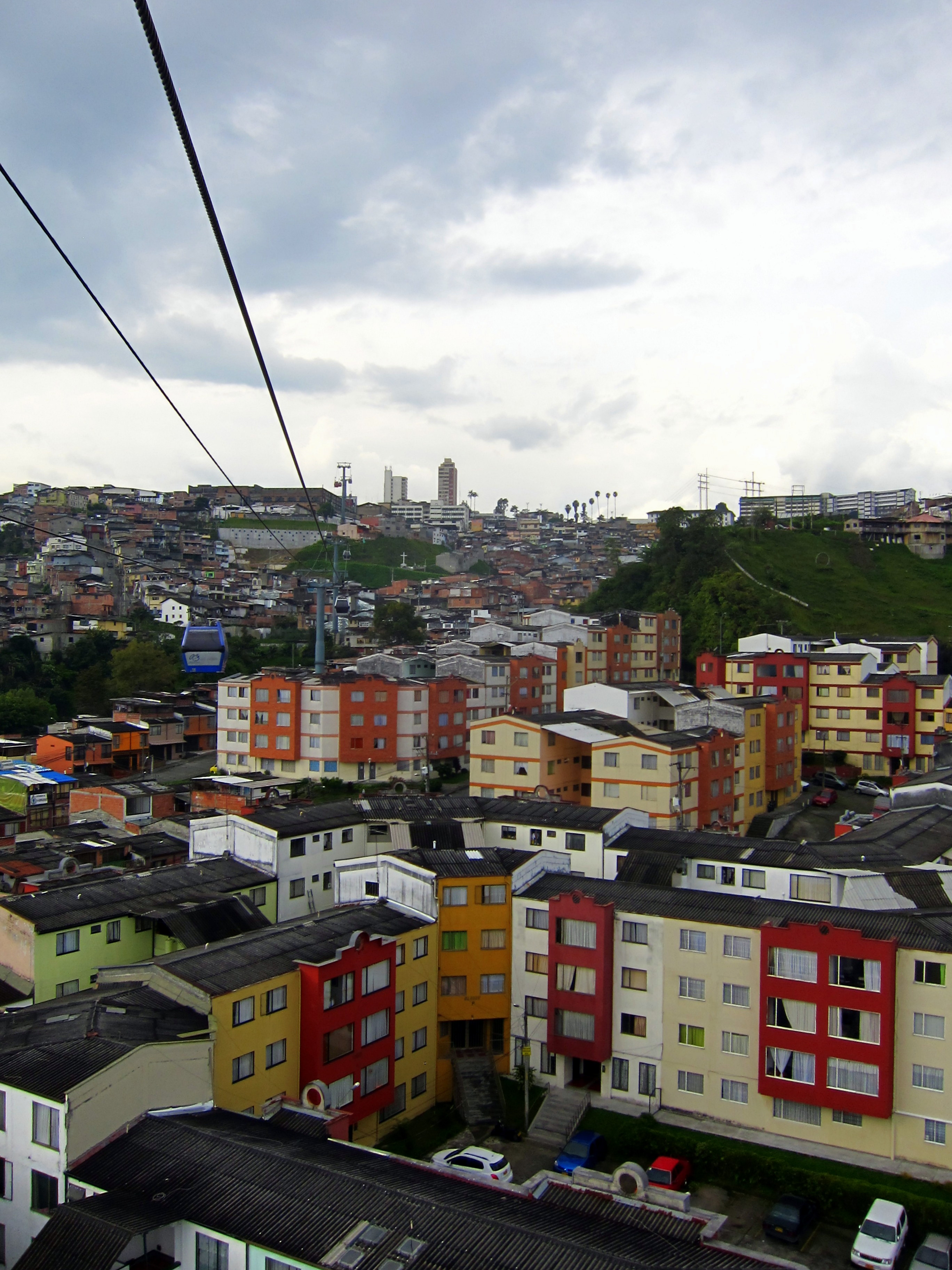
Manizales from the gondola

P1050198

Chandler in the gondola

P1050198

Bridges

P1050198

Street art

P1050198

Kalyn has arrived!